
Views: 0 Author: Site Editor Publish Time: 2025-09-26 Origin: Site


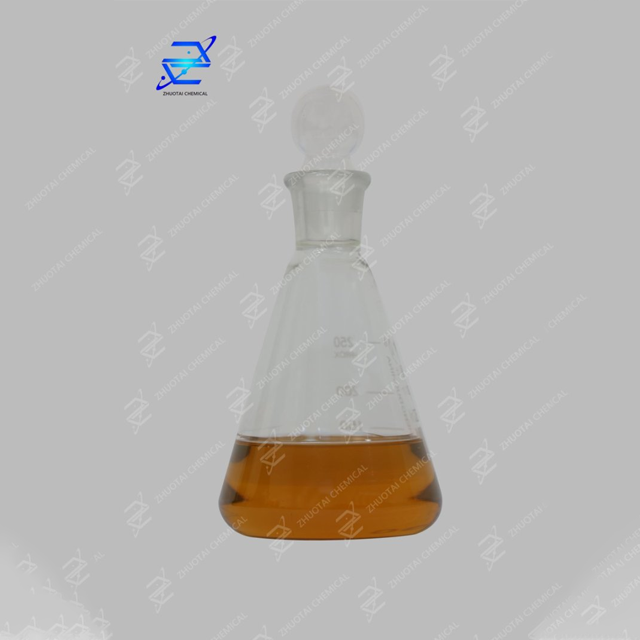
Lubricants play an essential role in the smooth operation of various machinery, especially in industrial and automotive applications. They reduce friction, enhance performance, and prolong the life of equipment by minimizing wear and tear. But what exactly goes into these lubricants? The chemical composition of lubricants involves a complex blend of base oils and additive components, each contributing to the lubricant's effectiveness under different conditions. In this article, we will dive deep into the chemical composition of lubricants, focusing on the key lubricant additive components that make these products highly functional.
Lubricant additives are key ingredients added to base oils to improve their performance. These components enhance the lubricating properties of oils, enabling them to function under extreme conditions such as high temperatures, heavy loads, and frequent mechanical stress. Additives play a crucial role in reducing friction, preventing corrosion, and minimizing wear on vital components like gears, bearings, and engine parts. Let’s look at the main types of lubricant additives and their functions.
Lubricant additives are primarily classified into the following types:
Detergents: These additives help clean engine parts and prevent the formation of deposits, keeping the machinery running efficiently. They are especially effective in removing dirt, sludge, and contaminants that could damage engine parts.
Dispersants: These additives maintain the dispersion of particles in lubricants, preventing the formation of sludge or varnish. Dispersant additives in lubricants are crucial for ensuring the fluidity and cleanliness of engine oils under high operating temperatures.
Anti-Wear Agents: These additives create a protective film on metal surfaces to prevent wear and tear. They are particularly beneficial for heavy-duty equipment subjected to high friction and pressure, such as industrial gearboxes and engine components.
Antioxidants: These components prevent oxidation, which can degrade the lubricant over time and cause it to lose its effectiveness. Antioxidants help extend the service life of the lubricant and protect machinery from rust and corrosion.
Extreme Pressure Agents: These additives are designed to protect metal surfaces under extremely high pressure and temperature conditions, preventing metal-to-metal contact and reducing wear.
Friction Modifiers: These additives help reduce the friction between metal surfaces, improving fuel efficiency and extending the life of components. They are especially important in applications where the reduction of friction is crucial, such as in engine oils and transmission fluids.
Lubricant additives serve several vital functions in maintaining the optimal performance of machinery. Let’s look at the lubricant additives and their functions in detail:
Friction Reduction: Additives like friction modifiers reduce friction between moving parts, which helps prevent energy loss and enhances the overall efficiency of machinery.
Wear Protection: Anti-wear agents create a sacrificial layer on metal surfaces, preventing direct contact between moving parts, thus reducing wear and extending the life of equipment.
Corrosion Resistance: Additives like corrosion inhibitors prevent rust and corrosion, which is especially crucial in automotive and industrial machinery exposed to moisture and harsh environmental conditions.
Oxidation Stability: Oxidation inhibitors extend the service life of the lubricant by preventing chemical reactions with oxygen, which could otherwise degrade the lubricant and damage the machinery.
Improved Performance at High Temperatures: Many lubricant additives are designed to perform well at high temperatures, preventing the lubricant from breaking down and ensuring that the machinery operates smoothly in extreme conditions.
One of the most commonly used anti-wear additives in lubricants is Zinc Dialkyldithiophosphate (ZDDP). It is highly effective in protecting engine parts under extreme pressure conditions. ZDDP forms a protective layer on metal surfaces through a chemical reaction with the metal, which prevents direct contact between metal parts and significantly reduces wear. However, one of the challenges with ZDDP is its phosphorus content, which can lead to catalyst poisoning in modern engines with emission control systems. To mitigate this issue, modern lubricants are being formulated with additives that balance wear protection with environmental concerns.
A new generation of lubricant additives, such as Zinc Butyl Octyl Primary Alkyl Dithiophosphate T202, has been developed to address some of the limitations of traditional ZDDP additives. T202 is a multifunctional additive that offers superior anti-wear protection, exceptional oxidation stability, and zero-ash formulation. Its advanced chemistry reduces friction, prevents corrosion, and extends the service life of lubricants under extreme pressure conditions. This product is particularly useful in applications where high load-carrying capacity and friction reduction are critical, such as in industrial gear oils, engine oils, and hydraulic systems.
The unique chemical composition of T202 includes sulfur, phosphorus, and zinc, which provide excellent wear protection, reduce friction, and protect against rust and corrosion. It is highly compatible with a variety of base oils and other lubricant additives, making it a versatile choice for formulators looking to develop high-performance lubricants for industrial and automotive applications.
Lubricant additives are used to enhance the performance of base oils by improving their properties such as reducing friction, preventing wear, extending oil life, and protecting against rust and corrosion. These additives are essential for ensuring the optimal functioning of machinery, especially under extreme conditions.
Dispersant additives in lubricants help maintain the dispersion of particles and prevent the formation of sludge or varnish. They ensure that the lubricant remains clean and efficient, even under high operating temperatures and mechanical stress.
Anti-wear agents form a protective layer on metal surfaces, reducing friction and preventing wear. These agents are crucial for heavy-duty machinery that experiences high pressure and friction, helping to extend the life of components like gears and bearings.
Extreme pressure agents are additives that protect metal surfaces under high pressure conditions by preventing metal-to-metal contact. These agents help reduce wear and prevent damage to critical components, especially in industrial gearboxes and engine parts.
Different types of lubricants are designed for specific applications. While some lubricants are interchangeable, it’s important to select the right lubricant based on the machinery’s requirements and operating conditions. For example, engine oils, gear oils, and hydraulic fluids each have unique additive packages designed for their respective applications.
Lubricants are indispensable in maintaining the efficiency and longevity of industrial and automotive machinery. The chemical composition of lubricants, particularly the lubricant additive components, plays a crucial role in enhancing their performance under challenging conditions. Additives such as detergents, dispersants, anti-wear agents, antioxidants, and extreme pressure agents ensure that lubricants provide the necessary protection against friction, wear, corrosion, and oxidation. As technology advances, the formulation of more sophisticated lubricants continues to evolve, offering better performance, extended oil life, and environmental compatibility.
Whether you are in the automotive, industrial, or manufacturing sector, understanding the chemical composition of lubricants and the role of lubricant additives is vital for optimizing machinery performance and minimizing downtime. By choosing high-quality lubricants that incorporate the latest advancements in additive technology, businesses can ensure their equipment runs smoothly, efficiently, and with maximum reliability.


