
Views: 0 Author: Site Editor Publish Time: 2025-09-17 Origin: Site


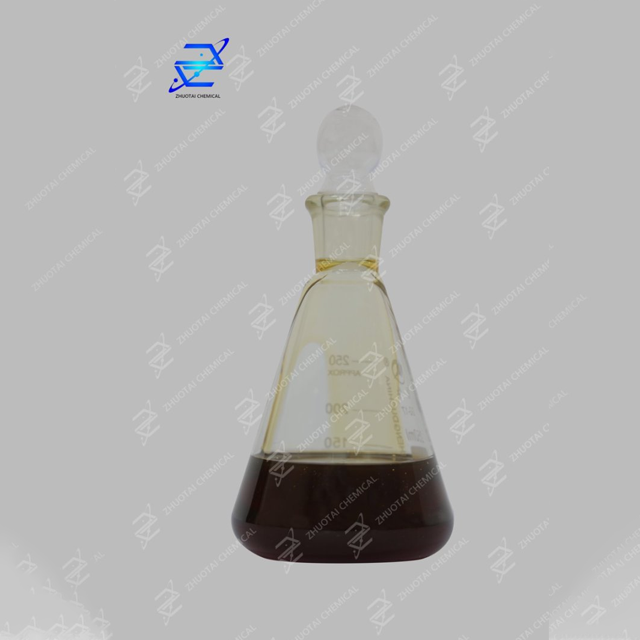
Lubricant additives play a crucial role in enhancing the performance of lubricants, ensuring optimal engine function, reducing wear and tear, and extending the life of machines and engines. These additives are integrated into lubricants to provide specific benefits such as reducing friction, preventing corrosion, enhancing thermal stability, and ensuring cleanliness. In this article, we’ll explore the process of making lubricant additives, the key components involved, and the various types of additives, all while focusing on how these components are manufactured, their benefits, and their importance in modern lubrication systems.
Lubricant additives are chemicals added to base oils to improve their performance, helping to prevent engine wear, reduce friction, and protect against high-temperature breakdowns. These additives help ensure that lubricants can perform under extreme operating conditions, extending the life of engines and machinery. Additives can be used to enhance a variety of properties, such as oxidation stability, wear resistance, and anti-corrosion.
In general, lubricant additives are categorized into several types, each serving a distinct purpose. Some of the most common types include:
Detergents: Used to keep engine components clean by preventing the buildup of deposits.
Dispersants: Help keep solid particles in suspension, preventing sludge formation.
Antioxidants: Prevent the breakdown of the oil caused by high heat and oxygen exposure.
Anti-wear agents: Protect metal surfaces from wear due to friction.
Corrosion inhibitors: Prevent rust and corrosion by forming a protective layer on metal surfaces.
Lubricant additive components are essential for improving the overall performance of lubricants. Without these additives, lubricants would not be able to perform under the harsh conditions found in industrial machinery and automotive engines. Here’s why these components are so important:
Friction Reduction: Lubricants reduce friction between moving parts, and additives enhance this ability.
Protection Against Wear: Anti-wear additives create a protective film on metal surfaces, reducing friction and preventing metal-to-metal contact.
Thermal Stability: Additives prevent oxidation and breakdown of the oil at high temperatures.
Corrosion Protection: Corrosion inhibitors protect metal parts from rust, reducing the risk of damage in engines and other machinery.
Enhanced Cleanliness: Detergents and dispersants help maintain cleanliness within the engine, preventing harmful deposits and sludge.
The production of lubricant additives involves a complex process that requires careful control of chemical reactions and the precise blending of various components. Manufacturers typically follow a series of stages to produce high-quality additives that can meet the needs of different lubrication applications. Below are the key steps involved in the manufacturing of lubricant additives:
The first step in making lubricant additives is selecting the raw materials, which include base oils, chemical compounds, and other functional ingredients. These raw materials are chosen based on the type of lubricant being produced and the specific performance characteristics required.
Base Oils: The foundation of any lubricant is the base oil. Base oils are typically derived from mineral oils, synthetic oils, or bio-based oils. The base oil's viscosity and oxidative stability are crucial for the performance of the final lubricant.
Chemical Compounds: Additives are often made from chemical compounds such as sulfur, phosphorus, calcium, and zinc. These compounds are carefully selected to provide specific properties to the lubricant, such as improved wear resistance or enhanced antioxidation capabilities.
Once the raw materials are selected, they undergo various chemical processes to form the final additive package. Additives are often synthesized by blending chemical compounds in specific proportions to achieve the desired properties.
Polymerization: This process is used to create high-molecular-weight compounds that can improve viscosity and shear stability.
Sulfonation: This process introduces sulfur into the molecule, which helps improve anti-wear and anti-corrosion properties.
Phosphorylation: Phosphorus compounds are used to enhance anti-wear properties and provide extreme pressure protection.
The formulated additives are then blended together to create a mixture that is compatible with the base oil.
The next stage is blending and mixing the additives into the base oil. This process requires precise measurements and equipment to ensure that the final product meets the desired specifications.
Additive Dispersion: The additives must be evenly dispersed throughout the base oil. This step is crucial to ensure uniform performance across the entire batch of lubricant.
Temperature Control: Blending is typically carried out at controlled temperatures to prevent degradation of the additive components and to ensure complete mixing.
Once the lubricant additives have been mixed, the final product undergoes rigorous testing to ensure it meets the required standards. Tests include:
Viscosity Measurements: To ensure the oil flows at the correct rate under different temperatures.
Oxidation Stability Tests: To check how well the lubricant can withstand exposure to high temperatures and oxygen.
Wear and Friction Testing: To evaluate the lubricant’s ability to reduce wear and friction between moving parts.
Corrosion Resistance Tests: To determine how well the lubricant can protect metal surfaces from rust and corrosion.
Quality control is an ongoing process to ensure that each batch of lubricant additives meets the desired performance criteria.
Once the lubricant additives are fully tested and approved, they are packaged for distribution. This may involve packaging in bulk containers for industrial use or smaller containers for retail sale. Proper labeling is essential, and each product is accompanied by specifications regarding performance characteristics and safe handling instructions.
The formulation of lubricant additives involves a range of components that enhance different performance aspects of lubricants. Here’s an overview of the key lubricant additive components and their roles:
Detergents are essential for maintaining engine cleanliness by preventing the formation of deposits and sludge. They help in keeping combustion chamber surfaces clean and prevent carbon build-up on piston rings. Detergents are typically alkaline salts of metallic elements such as calcium or magnesium.
Function: Cleanliness and deposit control.
Key Component: Calcium sulfonates.
Dispersants are designed to keep contaminants, such as soot and carbon particles, in suspension, preventing them from agglomerating and forming sludge. This helps in preventing the clogging of engine parts and filters.
Function: Keep particulate matter suspended.
Key Component: Polyisobutene amines.
Anti-wear additives form a thin film on metal surfaces, reducing wear and friction. These additives are crucial in high-pressure environments, such as in automotive engines and heavy machinery.
Function: Prevent metal-to-metal contact and reduce friction.
Key Component: Zinc dialkyldithiophosphate (ZDDP).
Antioxidants prevent the oxidation of base oils at high temperatures, ensuring the lubricant remains stable and effective over time. This is particularly important for engines that operate at high temperatures.
Function: Prevent oil breakdown and maintain stability.
Key Component: Phenolic compounds and amines.
Corrosion inhibitors protect metal surfaces from rust and corrosion by forming a protective layer on the metal. These additives are particularly important in environments where the lubricant is exposed to water or humidity.
Function: Protect against rust and corrosion.
Key Component: Barium sulfonates.
Extreme pressure additives are used to prevent metal surfaces from welding together under high-pressure conditions. These additives are commonly used in gear oils and industrial lubricants.
Function: Protect metal surfaces under extreme pressure.
Key Component: Phosphorus compounds.
Q1: What are the most common types of lubricant additives?
The most common types of lubricant additives include detergents, dispersants, anti-wear agents, antioxidants, corrosion inhibitors, and extreme pressure additives. These additives improve the performance and longevity of lubricants.
Q2: How do lubricant additives affect engine performance?
Lubricant additives enhance engine performance by reducing friction, preventing corrosion, improving thermal stability, and maintaining cleanliness. This results in reduced wear and tear, better fuel efficiency, and longer engine life.
Q3: Are lubricant additives safe to use in all engines?
Yes, lubricant additives are designed to be compatible with a wide range of engines and industrial applications. However, it’s essential to follow manufacturer guidelines to ensure that the right additives are used for specific engines or machinery.
Q4: Can lubricant additives extend the life of my engine?
Yes, lubricant additives help protect against wear, corrosion, and oxidation, which can extend the life of your engine by maintaining optimal lubrication conditions and preventing premature component failure.
Q5: How are lubricant additives tested?
Lubricant additives undergo various tests, including viscosity measurements, oxidation stability tests, wear and friction testing, and corrosion resistance tests, to ensure they meet the necessary performance standards.
Lubricant additives are an essential part of modern lubrication systems, enhancing the performance, longevity, and efficiency of engines and machinery. The process of manufacturing these additives involves selecting the right raw materials, synthesizing chemical compounds, and blending them into base oils. With a wide variety of additives available, manufacturers can customize lubricants to meet specific performance requirements. Understanding how lubricant additives are made and the role they play in reducing friction, preventing corrosion, and maintaining engine cleanliness can help ensure that your machinery and engines perform at their best for years to come.


