
Views: 0 Author: Site Editor Publish Time: 2025-09-16 Origin: Site


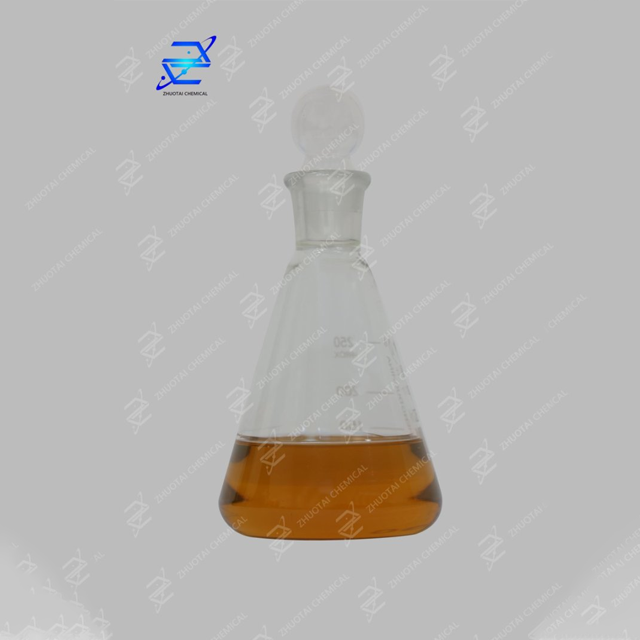
Lubricants play an essential role in maintaining the proper functioning of machines, vehicles, and other mechanical systems. Whether it's a car engine, industrial machinery, or a hydraulic system, lubricants reduce friction, prevent wear and tear, and ensure smooth operation. However, lubricants are not just oil or grease. They consist of multiple components, with one of the most crucial being lubricant additive components. These additives are chemical compounds that enhance the properties of the base oil, allowing it to perform better under different conditions.
In this article, we will explore the different lubricant additive components commonly used in lubricants. We will examine their functions, types, and how they contribute to the overall performance of lubricants. Additionally, we will look at some of the latest trends and innovations in lubricant additives, providing a comprehensive understanding of this essential component.
Lubricant additives are chemicals blended into base oils to improve their performance, enhance durability, and provide protection against various factors like corrosion, oxidation, and wear. Additives work together with the base oils to deliver enhanced properties like viscosity stability, thermal stability, and anti-wear protection, among others.
Lubricant additives typically account for 10% to 30% of the total composition of a lubricant, depending on the desired performance characteristics. These additives enable the lubricant to perform in extreme conditions, such as high temperatures or high pressures, and ensure that the lubricated parts of the machine continue to function smoothly.
The primary purpose of lubricant additives is to modify the base oil's characteristics, which in turn improves the performance and longevity of the machinery or engine it is used in. Without additives, base oils would lack certain critical properties, such as:
Anti-wear protection: Without additives, metal parts in engines or machines would wear down much faster due to friction.
Oxidation resistance: Base oils alone can oxidize quickly when exposed to heat and oxygen, which results in the formation of sludge and varnish. Additives help prevent this oxidation process.
Corrosion resistance: Additives protect engine parts and machinery from rust and corrosion caused by water or acidic substances.
Viscosity control: Additives ensure that lubricants maintain the proper viscosity at different temperatures, ensuring smooth operation across a wide temperature range.
Detergent/dispersant properties: Additives keep contaminants suspended in the oil to prevent sludge build-up, which could otherwise block passages and reduce efficiency.
In short, lubricant additive components are crucial for improving the overall functionality and efficiency of lubricants, ensuring the protection of mechanical parts under various conditions.
There are several different types of lubricant additive components, each serving a unique purpose in improving the base oil’s performance. Let’s take a deeper look at the most commonly used types of additives:
Anti-wear additives are used to prevent the metal surfaces in machinery from coming into direct contact with each other, which would otherwise lead to wear and tear. These additives form a protective layer on metal surfaces, reducing friction and minimizing damage over time. Some common anti-wear additives include:
Zinc Dialkyldithiophosphate (ZDDP): This is one of the most commonly used anti-wear additives in lubricants. ZDDP forms a protective layer on metal surfaces to reduce friction and wear.
Phosphorus-based additives: These additives work similarly to ZDDP by creating a film of protection on metal surfaces to reduce wear.
Viscosity is a measure of a fluid’s resistance to flow. Viscosity index improvers are additives that help maintain the viscosity of lubricants at both high and low temperatures. They ensure that the lubricant remains fluid and effective even in extreme conditions.
Polymer additives: These additives expand and contract with temperature fluctuations, allowing the lubricant to retain its viscosity and flow properties at varying temperatures.
Pour point depressants: These additives lower the temperature at which the lubricant begins to thicken, ensuring it flows smoothly even in very cold conditions.
Detergent additives are used to prevent the formation of sludge and deposits that could damage the engine or machinery. They work by keeping particles such as soot, dirt, and other contaminants suspended in the oil. Detergents ensure that these contaminants are carried away from engine parts and do not accumulate to form harmful deposits.
Calcium-based detergents: These are commonly used to neutralize acidic contaminants and prevent the build-up of sludge.
Magnesium-based detergents: These are often used for their superior detergency and anti-wear properties.
Dispersant additives work in conjunction with detergents to keep contaminants from settling out of the oil and causing issues in the machinery. They help in keeping particles suspended and evenly distributed throughout the oil, thereby preventing the formation of sludge.
Polyisobutylene succinimides: These dispersants are commonly used in engine oils and industrial lubricants to prevent the formation of sludge and varnish.
Antioxidants are used to prevent the oxidation of oils, which can result in the formation of sludge, varnish, and other deposits that could impair the performance of the lubricant. By stabilizing the oil, antioxidants prolong the life of both the lubricant and the machinery.
Aromatic amines: These are common antioxidants that are often used in automotive lubricants to prevent oxidation and maintain lubricant stability.
Phenolic antioxidants: These additives are highly effective at preventing oxidation at high temperatures.
Corrosion inhibitors protect machinery and engine parts from rust and corrosion caused by water or acidic substances. They form a protective barrier on metal surfaces, preventing moisture from interacting with the metal and causing damage.
Sodium-based corrosion inhibitors: These inhibitors are commonly used in cooling systems and hydraulic oils.
Boron-based corrosion inhibitors: These are used in engine oils and industrial lubricants to prevent rust and corrosion.
Friction modifiers are additives that reduce friction between moving parts. By lowering the friction, these additives help improve fuel efficiency and reduce wear.
Molybdenum disulfide (MoS2): This is a common friction modifier used in high-performance lubricants, especially for racing cars and heavy machinery.
Graphite-based friction modifiers: These are used in lubricants to reduce friction and wear, especially under high-load conditions.
Seal conditioners are additives designed to keep seals in good condition, preventing leaks and ensuring that the lubricant remains in place. These additives work by swelling the seals and making them more pliable, which improves their ability to maintain a tight seal.
Aromatic esters: These additives are commonly used in oils to maintain the elasticity and integrity of rubber seals.
Polyalkylene glycols (PAG): These additives help improve the flexibility of seals in a wide range of temperatures.
Extreme pressure additives are used to protect surfaces under extreme conditions of pressure and temperature. These additives form a protective layer on metal surfaces, preventing damage when the pressure exceeds the normal operating limits.
Sulfur-phosphorus compounds: These are common EP additives that help protect surfaces under high-pressure conditions.
Chlorinated paraffins: These additives are used in high-pressure systems to prevent surface damage.
Antifoam additives are used to reduce the formation of foam in lubricants. Foam can reduce the efficiency of the lubricant by decreasing its ability to coat surfaces and increasing the likelihood of air bubbles that can cause wear. Antifoam additives prevent foam formation, ensuring a stable lubricant film.
Silicone-based antifoam agents: These are commonly used in industrial lubricants and hydraulic oils to prevent foam formation.
Organic esters: These are used in automotive oils to reduce foaming and maintain lubricant effectiveness.
The demand for more efficient, eco-friendly, and high-performance lubricants is driving significant innovations in lubricant additive technology. Some of the current trends include:
Sustainability and Eco-Friendly Additives: With increasing environmental concerns, manufacturers are developing biodegradable and non-toxic additives that minimize the ecological impact of lubricants.
Nanotechnology: The application of nanoparticles in lubricants is emerging as a way to improve the performance and lifespan of lubricants. These additives help reduce wear, enhance friction reduction, and increase fuel efficiency.
Synthetic Base Oils: Synthetic oils are becoming more popular due to their superior performance, and as a result, new additives are being developed specifically for synthetic oils to enhance their properties.
Low-SAPS Additives: Low-SAPS (Sulfur, Phosphorus, and Sulfur) additives are being used to create oils that are compatible with modern exhaust treatment systems, such as diesel particulate filters (DPFs) and selective catalytic reduction (SCR) systems.
A lubricant additive component is a chemical compound added to lubricants to enhance their performance, reduce friction, prevent wear, and protect against oxidation, corrosion, and other detrimental effects.
Additives improve the viscosity, thermal stability, anti-wear properties, and other performance characteristics of lubricants, ensuring that they perform well under extreme conditions and help in protecting machinery.
Some common types of lubricant additives include anti-wear, detergents, dispersants, antioxidants, friction modifiers, corrosion inhibitors, extreme pressure additives, and antifoam agents.
Lubricant additives work by modifying the base oil’s characteristics to improve its performance in specific conditions, such as high temperatures, high pressure, and exposure to contaminants.
Yes, there is a growing trend toward eco-friendly lubricant additives that are biodegradable, non-toxic, and minimize environmental impact.
Yes, certain additives, such as friction modifiers, can reduce the friction between moving parts, leading to better fuel efficiency and reduced energy consumption.
Lubricant additives are essential components that play a significant role in ensuring the performance, durability, and protection of engines, machinery, and industrial systems. They enhance the base oil’s properties, helping it withstand extreme conditions, reduce wear and tear, and protect against corrosion, oxidation, and other harmful effects. By understanding the different types of lubricant additive components and their functions, manufacturers can create lubricants that meet the evolving needs of modern machinery and engines. The ongoing trends in the industry, including eco-friendly additives and synthetic base oils, promise even better performance and environmental responsibility in the future.


