
Views: 0 Author: Site Editor Publish Time: 2025-10-01 Origin: Site


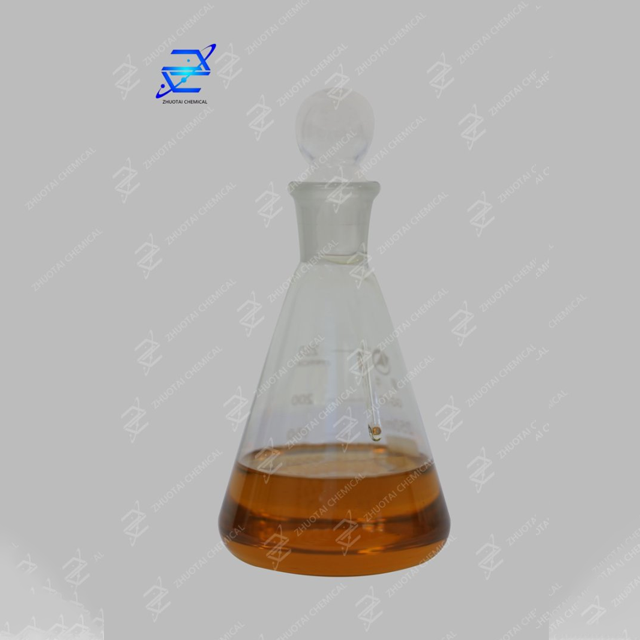
Lubricants are essential in reducing friction between moving parts in machinery, automotive engines, and various industrial applications. Over time, lubricants can break down, losing their effectiveness. This is where preservatives, often in the form of additives, come into play. These preservatives extend the life of lubricants, ensuring they remain functional under harsh conditions.
Lubricant additives are chemical compounds mixed with base oils to enhance their properties. They play a vital role in protecting machinery from wear and tear, reducing friction, and extending the oil’s operational lifespan. Without these additives, lubricants would be much less effective in protecting engines and industrial equipment.
The most common lubricant additive components include:
Detergents
These additives keep contaminants suspended in the oil, preventing sludge and deposits from forming.
Dispersants
Help in the dispersion of contaminants, keeping the lubricant clean and enhancing its longevity.
Anti-wear agents
These additives form a protective layer on metal surfaces, reducing friction and wear.
Antioxidants
Prevent oxidation of the oil, maintaining its stability and reducing the formation of sludge.
Extreme Pressure Agents
These additives help the lubricant handle extreme pressures, often found in gear oils.
Friction Modifiers
Improve the lubricating properties of the oil by reducing friction between metal surfaces.
Each of these additives plays a specific role in improving the oil's performance and protecting engines, industrial machinery, and other high-performance equipment.
Preservatives in lubricants mainly prevent degradation due to oxidation and microbial growth. Over time, as lubricants are exposed to air and moisture, they can break down, leading to a loss of their beneficial properties. Preservatives ensure that lubricants remain effective under extreme operating conditions.
Antioxidants
These are used to prevent the breakdown of the oil due to oxidation. Oxidation leads to the formation of acids, sludge, and varnish, which can significantly degrade the performance of the lubricant.
Corrosion Inhibitors
Corrosion inhibitors help prevent rust and corrosion on metal parts by creating a protective film over surfaces. These are particularly important in automotive and industrial applications where metal components are exposed to moisture and contaminants.
Metal Deactivators
These chemicals help prevent the negative effects of metal contamination in the oil, particularly from copper and other metals, which can accelerate oxidation.
Biocides
In environments where lubricants may be exposed to biological contamination, biocides are used to prevent microbial growth. They are essential in systems where water is often present in lubricants, such as in hydraulic systems.
Lubricant additives do more than just preserve the oil—they enhance its performance. Understanding the specific functions of additives helps to recognize their importance in machinery and automotive applications.
Wear Protection: Additives like anti-wear agents form a protective layer over metal surfaces, reducing wear and tear and extending the life of critical components.
Corrosion Resistance: Corrosion inhibitors ensure that metal parts are protected from rust, particularly in moist environments.
Friction Reduction: Friction modifiers reduce the coefficient of friction, enhancing the oil’s ability to keep parts separated and reducing heat generation.
Oxidation Stability: Antioxidants prevent the oil from oxidizing, keeping it stable and reducing the formation of harmful by-products.
Temperature Stability: Extreme pressure agents enhance the oil's ability to handle high-pressure and high-temperature environments without breaking down.
Manufacturers of lubricant additives play a significant role in the development of high-performance oils that can meet the evolving demands of various industries. These companies provide tailored solutions for specific applications, ensuring that the right combination of additives is used for optimal performance.
Liaoning Zhuotai Chemical Co., Ltd.
A leader in the production of lubricant additives, specializing in high-performance solutions for industrial oils and automotive lubricants.
Q1: What are the main preservatives used in lubricants?
A1: The main preservatives in lubricants are antioxidants, corrosion inhibitors, metal deactivators, and biocides. These additives ensure that lubricants remain stable and effective for long periods.
Q2: How do lubricant additives improve performance?
A2: Lubricant additives improve performance by reducing friction, preventing wear, enhancing oxidation stability, and offering corrosion protection. These additives help extend the life of the lubricant and the machinery it protects.
Q3: Are lubricant additives necessary for all types of machinery?
A3: Yes, lubricant additives are essential for all types of machinery that require lubrication, from automotive engines to industrial machines, as they ensure the lubricant performs optimally under various operating conditions.
Lubricants play a crucial role in ensuring the smooth operation of machinery, but without preservatives in the form of additives, they would not be able to withstand the harsh conditions they face. The right blend of lubricant additives can improve performance, extend the life of equipment, and reduce maintenance costs. With advancements in technology, lubricant additives are constantly evolving to meet the needs of modern machinery and industries.


