
Views: 0 Author: Site Editor Publish Time: 2025-09-19 Origin: Site


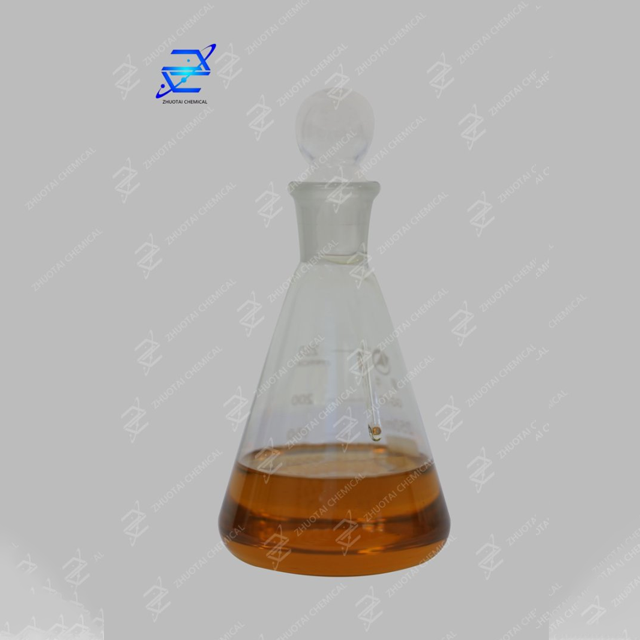
Lubricants play an essential role in machinery and vehicle engines, reducing friction and wear, enhancing efficiency, and improving the overall lifespan of various mechanical systems. Understanding the composition of lubricants is key for selecting the right type for your needs, whether for automotive, industrial, or any other applications requiring lubrication. This article will explore the components that make up lubricants, focusing on lubricant additives and their importance. Additionally, we'll delve into recent trends in lubrication technology and the role of each component in ensuring optimal performance.
A lubricant is a substance used to reduce friction between surfaces in contact, prevent wear, and protect against corrosion. It serves as a barrier between metal parts, providing smoother operation, reducing energy consumption, and extending the life of the machinery. Lubricants can come in various forms, including oils, greases, and solid lubricants. In their basic form, lubricants are made up of base oils, thickening agents, and lubricant additives.
Base oils form the foundation of most lubricants. They can be derived from mineral, synthetic, or vegetable sources. The properties of the base oil, including viscosity, thermal stability, and oxidation resistance, greatly affect the performance of the lubricant.
Mineral Oils: These are refined from crude oil and represent the most commonly used base oils in lubricants. Mineral oils have a relatively lower cost but are less thermally stable and less effective in extreme conditions compared to synthetic oils.
Synthetic Oils: Synthetic oils are artificially created using chemical processes. They provide superior performance under extreme conditions, offering higher thermal stability, longer service life, and enhanced protection against wear and oxidation. They are commonly used in high-performance applications, such as racing engines and heavy-duty industrial machinery.
Vegetable Oils: Although not as widely used as mineral and synthetic oils, vegetable oils are renewable and biodegradable, making them environmentally friendly. These oils are used in eco-conscious applications where sustainability is a priority.
Lubricant additives are chemical compounds added to the base oil to improve specific performance properties. These additives are designed to address particular challenges such as oxidation, corrosion, foam formation, and friction. Additives make up a smaller portion of the lubricant, typically between 10-30% of the total composition.
The following are common types of lubricant additives and their functions:
Antioxidants: Antioxidant additives are used to prevent the degradation of the base oil due to exposure to oxygen and heat. Over time, oils can break down, forming acids and sludge that can damage engine parts. Antioxidants slow this process, extending the life of the lubricant and preventing engine wear.
Corrosion Inhibitors: These additives help prevent rust and corrosion on metal surfaces. They form a protective film on the metal, which prevents moisture and air from coming into contact with the surface. Corrosion inhibitors are particularly important in applications where machines are exposed to moisture, such as marine environments or cold-weather operations.
Detergents: Detergents are used to clean the surfaces of machines, preventing the buildup of sludge and other harmful deposits. They keep engines and other mechanical systems clean by neutralizing acids that can form during combustion or operation. Detergents also assist in dispersing contaminants, ensuring that these particles do not settle on surfaces and cause damage.
Dispersants: Dispersants are similar to detergents but are specifically designed to keep contaminants suspended in the oil, preventing them from clumping together and forming harmful sludge. This helps maintain the oil’s cleanliness and ensures it can continue to lubricate effectively.
Anti-Wear Agents: These additives reduce friction between moving parts, thereby reducing wear and tear. They form a thin protective layer on the metal surfaces, minimizing direct contact and reducing the likelihood of surface damage.
Viscosity Modifiers: Viscosity modifiers help adjust the thickness (or viscosity) of the lubricant at different temperatures. They prevent the oil from becoming too thin in hot temperatures or too thick in cold conditions, ensuring consistent lubrication across a wide range of operational environments.
Extreme Pressure (EP) Additives: EP additives are used in applications where heavy loads and high-pressure conditions are common. They form a thin protective layer that prevents metal-to-metal contact, even under extreme stress, helping to prevent damage and wear.
Foam Inhibitors: Foam inhibitors prevent the formation of foam in the lubricant. Foam can reduce the lubricating ability of the oil, leading to potential damage to the machinery. Foam inhibitors ensure that the lubricant remains effective in high-speed and high-stress environments.
Pour Point Depressants: These additives are used to lower the pour point of the lubricant, making it more effective in low-temperature environments. This ensures that the lubricant remains fluid at temperatures where it would otherwise become too thick to flow properly.
While oils are the most common type of lubricant, greases are another important form. Greases are lubricants that consist of a thickening agent combined with a base oil. The thickening agent, typically a soap (e.g., lithium or calcium), gives the grease its consistency and helps it stay in place on the surfaces it’s applied to. Grease is typically used where a thicker lubricant is required, or where the lubricant must stay in position for extended periods.
Lubricants have evolved over time, with continuous improvements in the base oils, additives, and the methods used to create these products. Some of the key trends include:
Sustainability and Eco-Friendly Lubricants: With an increasing focus on sustainability, there has been a rise in the use of biodegradable and environmentally friendly lubricants. Manufacturers are seeking alternatives to mineral oils, opting for plant-based oils and synthetic options that are safer for the environment.
High-Performance Lubricants: As machines become more powerful and engines work under higher pressures and temperatures, there’s a growing need for lubricants that can perform under extreme conditions. High-performance lubricants are designed to handle the increased stress, providing better protection against wear, corrosion, and oxidation.
Smart Lubrication: The rise of the Internet of Things (IoT) has made its way into the lubrication industry. Smart lubrication systems that can monitor the condition of lubricants in real-time, adjusting for factors like temperature and contamination, are becoming more common. This enables more precise lubrication, reducing waste and improving efficiency.
Synthetic and High-Viscosity Lubricants: The use of synthetic oils is on the rise, especially in applications where the lubricant is exposed to extreme conditions. These oils offer better thermal stability, longer service life, and superior performance compared to traditional oils. Additionally, high-viscosity lubricants are being developed to handle higher loads and offer even better protection in demanding applications.
A lubricant typically consists of a base oil, which can be mineral, synthetic, or vegetable-based, and various additives such as antioxidants, anti-wear agents, corrosion inhibitors, detergents, and dispersants. These components work together to reduce friction, protect metal surfaces, and extend the life of the machinery.
Additives in lubricants play an essential role in improving the performance of the base oil. They help prevent corrosion, reduce wear, enhance the oil's viscosity, prevent foam formation, and ensure the oil remains effective in high-pressure and high-temperature environments.
Synthetic oil generally offers superior performance compared to mineral oil. It has better thermal stability, higher resistance to oxidation, and a longer service life. Synthetic oils are especially beneficial for high-performance engines and machinery that operate under extreme conditions.
Grease is a thicker form of lubricant that contains a thickening agent combined with a base oil, making it ideal for applications where the lubricant needs to stay in place. Oils, on the other hand, are more fluid and are used in systems where mobility and flow are essential.
Lubricant additives play a crucial role in maintaining engine performance. They prevent harmful deposits, reduce friction and wear, protect against rust and corrosion, and ensure the oil remains effective under varying temperatures and pressures.
Yes, biodegradable lubricants are an eco-friendly alternative to traditional oils. They are often made from plant-based oils and are designed to break down quickly in the environment, reducing pollution and the environmental impact of lubricant use.
High-performance lubricants provide better protection under extreme conditions, such as high temperatures and pressures. They offer superior oxidation resistance, longer service life, and enhanced protection against wear, making them ideal for heavy-duty machinery and high-performance vehicles.
Lubricants are integral to the smooth operation of machinery, from vehicles to industrial equipment. Understanding the lubricant additive components and their functions allows for better selection and application of lubricants. With the growing demand for efficiency and sustainability, lubricant manufacturers are focusing on innovations such as biodegradable oils, high-performance additives, and smart lubrication technologies to meet the demands of modern industries.
Choosing the right lubricant can make a significant difference in operational efficiency, maintenance costs, and the longevity of machinery. Therefore, it's crucial to be informed about the components that make up lubricants and how each one contributes to performance.


