
Views: 0 Author: Site Editor Publish Time: 2026-10-26 Origin: Site


Industrial and automotive engines rely heavily on the quality of lubricant additives to maintain peak performance. Acidic buildup destroys engines silently. During the combustion process, burning fuels with varying sulfur levels inevitably generates harmful acidic byproducts. Neutralizing these corrosive acids serves as the critical first line of defense against premature engine wear and catastrophic component failure.
At the center of this protective mechanism is the Calcium Sulfonate Detergent. This surface-active agent has established itself as the industry standard additive utilized in modern lubricant formulations. Yet, the chemical effectiveness and physical behavior of this agent are intricately dictated by its Total Base Number, commonly known as TBN.
Formulators, chemical engineers, and procurement managers frequently encounter challenges when locking down the precise specifications required for unique oil blends. Navigating these parameters is essential. How exactly does TBN alter the chemical structure, viscosity, phase stability, and overall performance of the detergent? Understanding this dynamic is the secret to optimizing both lubricant efficiency and production costs. This comprehensive technical guide breaks down the fundamental relationship between TBN and these essential additives. We will explore the distinct differences between standard and high-alkalinity variants to help you secure the right solution for your specific application.
From an engineering perspective, a calcium sulfonate detergent is a highly specialized surfactant. It is widely deployed in passenger car motor oils, heavy-duty diesel engine oils, marine cylinder lubricants, and various industrial fluids. Chemically, it consists of a lipophilic hydrocarbon tail that is oil-soluble and a hydrophilic polar head containing calcium that is water-soluble. This amphiphilic structure allows it to interact with both the base oil and the harsh combustion byproducts simultaneously.
How does it actually perform under severe load? The performance of this additive relies on two primary mechanisms operating in tandem. First is detergency. When an engine operates under heavy stress, temperatures spike rapidly. This intense heat threatens to bake unburned fuel and soot onto piston rings. The detergent molecules surround these carbonaceous precursors. They suspend the precursors in the oil phase, actively preventing them from agglomerating into hard carbon deposits or thick engine sludge.
Second is the anti-rust and anti-corrosion function. The polar sulfonate tail possesses a strong affinity for metallic surfaces. It chemically adsorbs onto the engine's internal metal parts. This action forms a dense, hydrophobic protective barrier that physically repels moisture and halts oxidative corrosion. Furthermore, these detergents do not operate in a vacuum. They function synergistically within a complex additive package. They work alongside ashless dispersants to manage low-temperature sludge, collaborate with anti-wear agents to ensure boundary lubrication films form properly, and assist primary antioxidants in mitigating oil degradation over extended operating periods.
Total Base Number is a standardized laboratory measurement. It is typically evaluated via ASTM D2896 or D4739 and expressed in milligrams of potassium hydroxide per gram of sample. In the context of lubricant chemistry, TBN represents the alkalinity reserve of the additive or the finished oil. Simply put, it quantifies the exact amount of acid the fluid can neutralize before its protective capabilities are entirely depleted.
To grasp why TBN matters on the shop floor, one must examine the harsh realities of the combustion chamber. Internal combustion engines ingest significant amounts of sulfur and nitrogen compounds. This is especially true for equipment burning heavy residual fuels or low-grade diesel. During the extreme temperatures and pressures of combustion, these elements oxidize to form sulfur dioxide and nitrogen oxides. When these reactive gases combine with the moisture naturally generated by combustion, they condense into highly corrosive sulfuric and nitric acids. Left unchecked, these aggressive acids bypass the piston rings, enter the crankcase, and rapidly corrode vulnerable cylinder liners and bearings.
This is precisely where a high-quality Metal Detergent proves essential. The alkaline components housed within the detergent matrix chemically intercept these intruding acids. Through a classic acid-base neutralization process, the highly corrosive acids are converted into harmless, neutral calcium salts and water. These neutral salts are then safely suspended in the oil matrix by the detergent’s surfactant properties, preventing corrosive engine wear until the fluid is drained.
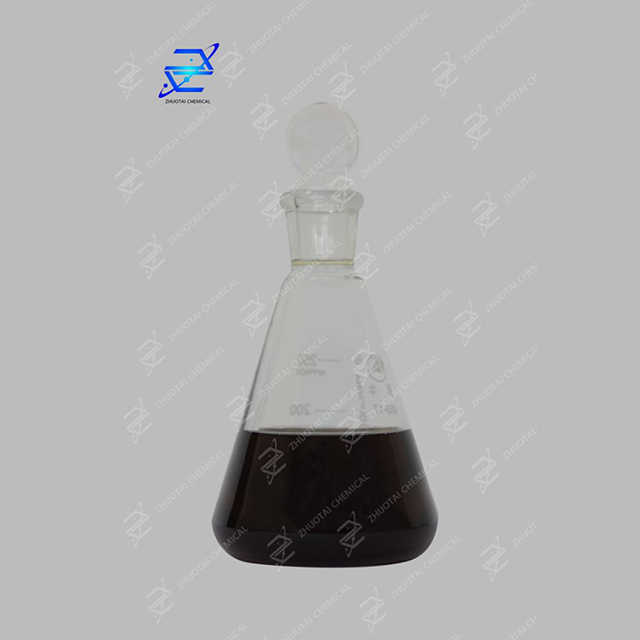
The defining characteristic that differentiates a low TBN detergent from a high TBN variant lies deep within its molecular architecture. A standard, chemically neutral sulfonate molecule typically exhibits a TBN of roughly 20 to 30. It neutralizes only a minimal amount of acid. To achieve higher alkalinity, manufacturers synthesize an Overbased Sulfonate through a complex chemical carbonation process.
During synthesis, excess calcium hydroxide and carbon dioxide gas are introduced into the reaction matrix. The result is the formation of a nanoscale micelle. The sulfonate molecules arrange themselves into a spherical protective outer shell. This shell encapsulates a dense colloidal core of amorphous calcium carbonate. This ingenious core allows the detergent to hold an immense amount of base reserve while remaining perfectly soluble in the base oil.
Building upon this foundational chemistry, the structural changes impact the fluid in several distinct ways. Most notably, there is a direct, linear correlation between the TBN value and the size of the calcium carbonate core. A higher TBN indicates a larger, more densely packed alkaline center. This provides a significantly longer-lasting capacity to neutralize continuous acid blow-by.
However, this increased capacity comes with physical alterations. As the core grows to accommodate a higher TBN, the molecular weight and physical density of the micelle increase. Consequently, high TBN sulfonates are characteristically thick, viscous liquids. Formulators must carefully manage this increased viscosity. It can influence low-temperature pumpability and requires precise blending techniques to maintain stability in highly refined synthetic base stocks. Despite these formulation challenges, the robust micellar structure imparts excellent thermal stability, making these high-TBN variants exceptionally resistant to thermal degradation in extreme-heat environments.
To optimize lubricant formulations, engineers must select the appropriate TBN tier based on the specific operational requirements of the machinery. These additives are generally categorized into three distinct classes based on their alkalinity reserve.
| Detergent Category | TBN Range | Primary Characteristics | Typical Industrial Applications |
|---|---|---|---|
| Low / Neutral TBN | Below 30 | Chemically neutral. Contains little to no excess calcium carbonate. Highly fluid with excellent oil solubility and surface-active properties. | Greases, rust preventatives, light-duty industrial oils, metalworking fluids, and slideway lubricants. |
| Medium TBN | 150 - 250 | A balanced chemical structure. Offers a moderate calcium carbonate core, providing a middle ground of detergency and acid neutralization. | Standard passenger car motor oils, light-duty diesel oils, and general-purpose industrial lubricants. |
| High / Overbased | 300 and above | Features a massive, highly concentrated alkaline core. Exhibits high viscosity, superior thermal stability, and maximum acid-fighting capability. | Heavy-duty diesel engines, marine cylinder lubricants, locomotive oils, and mining equipment. |
Specifically, low and neutral TBN sulfonates are primarily selected for their exceptional friction-reducing capabilities and tenacious anti-rust films. They serve as the backbone of industrial rust preventatives. In contrast, medium TBN sulfonates act as the versatile workhorses of the automotive lubricant industry. They provide sufficient detergency to keep modern passenger car engines clean. Meanwhile, highly overbased sulfonates are engineered strictly for extreme environments where massive alkalinity reserves are non-negotiable.
When formulating for heavy-duty applications, the decision often narrows down to selecting between the two most prominent high-alkalinity options. While both are highly overbased, their subtle chemical differences dictate their optimal use cases in the field.
Specifications and Use Cases for TBN300:
The TBN300 variant, such as the industry-recognized T106A synthetic calcium sulfonate, provides a rigorously balanced profile. It delivers excellent high-temperature detergency, robust rust inhibition, and strong acid neutralization. Because its calcium carbonate core is slightly smaller than that of a 400 TBN product, it typically exhibits better solubility across a wider range of base stocks. The kinematic viscosity is also much more manageable for large-scale blending operations. From a practical standpoint, TBN300 is the standard choice for premium Heavy-Duty Diesel Engine Oils, locomotive lubricants, and high-tier commercial fleet operations running in regions with moderate fuel sulfur levels.
Specifications and Use Cases for TBN400:
Conversely, TBN400 represents the absolute pinnacle of acid neutralization technology. It contains an extremely concentrated calcium carbonate core. This maximizes the amount of base that can be physically suspended within the oil matrix. Imagine a marine vessel burning bunker fuel in the middle of the ocean. The sheer volume of sulfuric acid generated requires an immediate, overwhelming alkaline response. This additive is highly viscous and is engineered specifically for extreme environments, most notably Marine Cylinder Lubricants used in two-stroke crosshead engines.
For procurement managers, choosing between these two involves a strict cost-benefit analysis. The 400 TBN variant commands a premium price due to the complex manufacturing processes required to stabilize such a high volume of calcium carbonate. If a formulator is developing a standard on-highway diesel oil, the 300 TBN option provides the optimal Return on Investment. It easily meets OEM specifications without unnecessary expenditure. However, for marine applications or stationary power generators running on sour gas, the premium cost of the higher TBN is a technical necessity to prevent catastrophic engine failure.
As global environmental regulations tighten, the lubricant industry is witnessing a significant shift in how TBN is deployed. Historically, a higher TBN was universally viewed as a marker of superior oil quality. Today, field data and industry trends show a more nuanced reality. The widespread global adoption of Ultra-Low Sulfur Diesel and the strict mandates for advanced exhaust after-treatment systems have fundamentally changed formulation strategies.
Formulators are increasingly moving away from indiscriminately high TBN levels in on-highway commercial vehicles. Instead, the focus has pivoted toward optimized, low-SAPS formulations. This strategy means utilizing highly efficient, medium-to-high TBN calcium sulfonates that offer maximum detergency without contributing excessive metallic ash. Too much ash can quickly blind Diesel Particulate Filters. In stark contrast, the marine and heavy industrial sectors continue to grapple with highly variable, high-sulfur fuel qualities. In these heavy-duty arenas, the market trend maintains a robust and growing demand for ultra-high TBN solutions. This pushes chemical manufacturers to develop even more stable, high-alkalinity micelles to combat unpredictable acid loads.
Integrating high TBN detergents into a lubricant matrix yields several quantifiable performance enhancements. These benefits directly translate to increased equipment lifespan and drastically reduced maintenance costs.
Prolonged Oil Drain Intervals: The primary limiting factor for an oil's usable life is the depletion of its alkalinity reserve. As the equipment operates, the oil's Total Acid Number rises while its TBN falls. Starting with a significantly higher TBN reserve prevents the lubricant's pH from dropping into corrosive territory too quickly. This extended buffering capacity allows fleet operators to safely extend their maintenance intervals, reducing fluid costs and equipment downtime.
Superior Piston Cleanliness: At extreme operating temperatures, oxidized oil and soot degrade into sticky varnish. The robust micelle structure of high TBN metal detergents exhibits exceptional thermal stability. It actively scrubs these deposits from piston ring grooves. This keeps the rings free to move and expand, maintaining proper combustion chamber sealing and ensuring optimal engine compression over the vehicle's lifetime.
Enhanced Water Tolerance and Anti-Rust: In applications like marine engines or heavy mining equipment, water ingress is a constant threat. High TBN calcium sulfonates possess a unique structural advantage regarding demulsibility. They help the lubricant shed water rapidly. Simultaneously, they deploy their lipophilic tails to coat internal metal surfaces, providing unparalleled corrosion protection even in persistently wet and saline environments.
Selecting the precise TBN specification is a critical engineering decision that dictates the success or failure of the final fluid. Formulators must systematically evaluate multiple variables to ensure optimal performance.
Analyze the Fuel Source first. The sulfur content of the fuel dictates the required acid-neutralizing load. Engines burning high-sulfur residual fuels demand heavily overbased sulfonates to combat aggressive sulfuric acid generation. Alternatively, modern natural gas engines require significantly lower TBN levels. Excessive alkalinity combined with clean fuels can lead to unburned metallic ash accumulation in the combustion chamber.
Consider Sulfated Ash Limits next. There is an unavoidable chemical trade-off. Higher TBN inherently means a higher metallic ash content. Modern vehicles equipped with Catalytic Converters and DPFs require Low-SAPS oils to prevent physical exhaust clogging. Formulators must carefully balance the need for acid neutralization with OEM-mandated ash limits. This often requires a calculated blend of lower TBN sulfonates.
Evaluate Base Oil Compatibility thoroughly. The physical size of the high-TBN micelle can create solubility challenges. Formulators must ensure the chosen detergent blends seamlessly into the target base oil without causing cloudiness, stratification, or additive dropout. While highly overbased sulfonates blend easily into conventional Group I and Group II oils, modern formulations utilizing highly refined Group III or synthetic PAO base stocks may require specific co-solvents to maintain long-term stability.
Verify synergies with other additives. A finished lubricant is a carefully balanced chemical ecosystem. High TBN additives must be paired correctly with ashless dispersants to maintain a clean engine without exceeding maximum ash thresholds. Formulators must conduct extensive tribological testing. This ensures the high TBN detergent does not outcompete anti-wear additives for space on the metal surface, which could inadvertently lead to increased mechanical friction.
TBN fundamentally alters the chemical structure, physical viscosity, and protective capabilities of a calcium sulfonate detergent. It is much more than just a simple specification number on a data sheet. It is the defining metric of an oil's endurance against acidic degradation.
Whether formulating a standard passenger car motor oil designed for modern emission systems or a heavy-duty marine lubricant built to survive bunker fuel, selecting the correct TBN ensures optimal engine protection and longevity. By mastering the intricate balance between acid neutralization, sulfated ash limits, and physical solubility, engineers can design fluids that meet the exacting demands of today's industrial landscape.
For procurement teams and formulators seeking reliable, high-performance additives, selecting the right manufacturing partner is crucial. Explore the comprehensive range of premium additives at LNZT Chemical. Review detailed product data sheets and consult with technical specialists to find the perfect overbased sulfonate tailored to your specific blending requirements.
No. While a high TBN provides excellent acid neutralization, it inherently increases the sulfated ash content of the oil. Too much metallic ash can clog modern exhaust after-treatment systems, such as Diesel Particulate Filters. The TBN must be precisely matched to the engine's fuel type and emission hardware.
Yes, formulators frequently blend different TBN sulfonates together. This practice allows them to achieve a highly specific target TBN and control the overall ash content in the final lubricant, provided the base oils and other additives are chemically compatible.
It is a specialized metal detergent that has been chemically reacted with excess alkaline materials, usually calcium hydroxide and carbon dioxide gas. This process creates a micelle structure with a calcium carbonate core, allowing the molecule to hold significantly more base reserve than a chemically neutral molecule normally could.
As the detergent continuously neutralizes acidic combustion byproducts, its TBN steadily drops. Once the TBN falls below a critical threshold, often dropping lower than the oil's Total Acid Number, the fluid can no longer buffer the environment. Corrosive acids will then freely attack metal engine components, leading to rapid corrosive wear and potential engine failure.
They serve slightly different primary roles rather than one being strictly better than the other. Sulfonates are generally superior for severe rust prevention and rapid acid neutralization. Phenates offer better high-temperature antioxidation and detergency in the upper ring zone. In premium formulations, they are frequently used together to achieve comprehensive engine protection.
TBN is measured in a laboratory setting using standardized titration methods. For fresh, unused oils, ASTM D2896 is the standard method, which uses perchloric acid. For used engine oils, ASTM D4739 is preferred, as it uses hydrochloric acid and provides a more accurate reading of the remaining effective base reserve without reacting with weak bases that no longer provide engine protection.
Rapid TBN depletion is typically caused by severe operating conditions. Burning high-sulfur fuel introduces massive amounts of sulfuric acid into the crankcase. Additionally, faulty Exhaust Gas Recirculation systems, extended idling periods, and poor combustion efficiency all increase the volume of acidic blow-by gases, forcing the detergent to deplete its alkaline reserve much faster than normal.


