
Views: 0 Author: Site Editor Publish Time: 2026-08-06 Origin: Site


Formulating high-performance lubricants requires precise chemical balance. Even minor incompatibilities between base oils and additives can lead to catastrophic machinery failure, costly recalls, and severe reputational damage. Manufacturers frequently face unexpected additive dropout, chemical antagonism, or phase separation during scale-up or storage. These issues primarily arise from inadequate compatibility verification or an over-reliance on generalized, binary compatibility charts that fail to account for specific operational variables.
Mitigating these risks requires rigorous, standardized testing protocols and a deep understanding of blending sequences. Strategic alignment with a technically proficient lubricant additive manufacturer capable of providing formulation-specific validation is essential. This partnership ensures long-term fluid stability, operational reliability, and prevents costly production bottlenecks.
Compatibility is Multi-Dimensional: Verification must independently assess base oil solubility, base-oil-to-base-oil miscibility, additive-to-additive interactions, and (in greases) thickener stability under varying thermal, shear, and storage conditions.
The Fallacy of Compatibility Charts: Generic compatibility wheels or matrices only offer baseline binary assumptions; they do not account for proprietary chemical variations, treat rates, or operational environmental stresses.
Blending Sequence Dictates Stability: The order of component introduction and specific temperature controls fundamentally alter the final lubricant's stability; lab-scale success does not guarantee production-scale viability without strict process controls.
Pre-Packaged vs. Custom Risks: Sourcing from an oil additive package manufacturer reduces formulation complexity and streamlines OEM specification compliance, but custom blends require exhaustive antagonistic testing to prevent cross-contamination reactions.
Supplier Transparency is Critical: Evaluating an industrial additive supplier requires auditing their technical support capabilities, batch-to-batch consistency, and willingness to share foundational chemical data for compatibility modeling.
Differing API base oil groups exhibit varying degrees of solvency, directly impacting how well additives remain suspended. Highly refined Group III oils and synthetic Group IV polyalphaolefins (PAOs) possess excellent oxidation stability but inherently low solvency. This low solvency increases the risk of polar additives precipitating out of the solution, commonly referred to as additive dropout. When formulating with these base stocks, precise temperature control and the potential inclusion of co-solvents, such as esters or alkylated naphthalenes, become necessary to maintain a homogeneous fluid. Field experience shows that dropping a heavy detergent package into cold PAO without a co-solvent almost guarantees a cloudy final product.
Mixing incompatible base stock chemistries introduces severe risks to fluid integrity. Blending Group V polyalkylene glycols (PAGs) with Group IV PAOs or conventional mineral oils often results in immediate phase separation. This antagonism causes rapid additive fallout, as the active components are forced out of the unstable matrix. Formulators must verify base oil miscibility before introducing any performance chemicals. A compromised base fluid mixture renders subsequent additive packages entirely ineffective, turning a 10,000-gallon batch into hazardous waste.
Specific active components can competitively adsorb on metal surfaces or chemically react with one another in solution, neutralizing their intended performance benefits. Acidic zinc dialkyldithiophosphate (ZDDP) anti-wear agents and basic overbased calcium sulfonate detergents frequently exhibit chemical antagonism. If not properly balanced, these components compete for the same surface area on machinery parts, reducing overall wear protection. Direct chemical reactions between disparate additives can form insoluble salts, leading to sludge formation and filter plugging in hydraulic systems.
Operational realities in blending facilities introduce significant cross-contamination risks. Residual base oils or additives from previous batches left in hoses, pumps, or kettles trigger unintended chemical reactions. Trace amounts of incompatible fluids cause haze, flocculation, or complete additive precipitation in a new batch. Dedicated lines or rigorous flushing protocols are mandatory. We recommend a minimum three-volume flush using the base oil of the upcoming batch to clear manifolds and prevent localized antagonistic reactions from compromising bulk production.
Defining a compatible formulation requires establishing strict baseline success criteria. A verified blend must exhibit visual clarity and an absolute absence of sediment or haze over extended periods. It must maintain stable viscosity across its intended temperature range and sustain proper droplet size in emulsions. The formulation must demonstrate sustained performance under mechanical and thermal stress, proving that the additives remain fully active and well-dispersed. We look for zero visual change after 30 days at 60°C as a primary indicator of baseline stability.
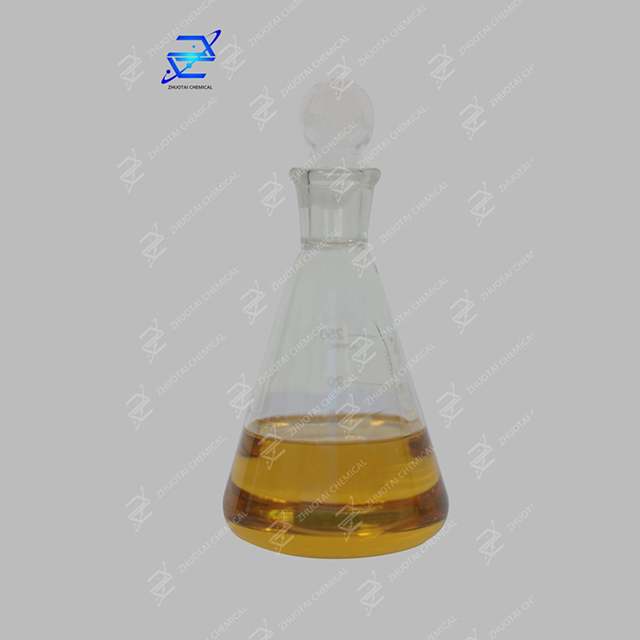
Protocols for ambient, elevated temperature, and freeze-thaw cycle testing observe phase separation or cloudiness over time. Samples must be subjected to extreme temperature fluctuations to identify marginal solubility issues. Integrating environmental weathering, moisture ingress, and humidity exposure tests evaluates how hydrolytic stability impacts additive retention. Short-term testing often fails to reveal latent incompatibilities. Accelerated aging models, such as holding samples at 80°C for one week followed by immediate chilling to -10°C, help predict long-term storage stability accurately.
The specific order of component addition is a critical variable in compatibility testing. Introducing a highly concentrated polar additive into a low-solvency base oil without proper dilution causes localized supersaturation and irreversible dropout. Temperature controls and shear rates during the blending process must be precisely managed. The sequence dictates whether the final product remains a stable solution or degrades into a suspended mixture prone to separation.
Heat the primary base oil to the specified blending temperature (typically 50°C to 65°C).
Introduce antifoam agents first to prevent aeration during subsequent mixing.
Add solid or highly viscous components, allowing sufficient time for complete dissolution.
Incorporate liquid additive packages slowly under continuous, moderate shear.
Introduce any required co-solvents or pour point depressants last to finalize the matrix.
Physical stability testing must transition into functional testing to ensure additives remain active post-blend. Oxidation resistance is evaluated via the Rotating Pressure Vessel Oxidation Test (RPVOT), while wear protection is measured using Four-Ball Wear testing. These functional assessments confirm that the chemical bonds within the additive package have not been compromised during the blending process. If a hydraulic fluid passes visual clarity but fails the ASTM D665 rust test, chemical antagonism has neutralized the corrosion inhibitors.
Greases present unique compatibility challenges. The thickener type, base fluid, and additive packages must be evaluated independently. Evaluating post-mix physical properties requires adherence to standards like ASTM D6185, the standard practice for evaluating the compatibility of binary mixtures of lubricating greases. Key performance changes after mixing must be assessed, including mechanical shear stability, penetration and consistency changes, and dropping point depression. A failure in any of these metrics indicates structural incompatibility, often resulting in the grease bleeding oil excessively under load.
Generic binary compatibility charts fail to capture localized temperature, pressure, and concentration variances. They provide a false sense of security by ignoring the complex, multi-variable nature of modern chemical formulations. Consulting a dedicated manufacturer for project-specific laboratory validation is necessary. Relying on industry-average tables leads to field failures because these charts cannot account for proprietary chemical structures or specific treat rates.
Testing Category | Primary Objective | Key Methodology | Failure Indicator |
|---|---|---|---|
Storage Stability | Identify phase separation and dropout | Freeze-thaw cycles, elevated temperature aging | Haze, sediment, stratification |
Functional Performance | Verify active component efficacy | RPVOT, Four-Ball Wear Test | Premature oxidation, high wear scar diameter |
Grease Compatibility | Assess thickener and structural integrity | ASTM D6185, Dropping Point, Cone Penetration | Significant softening, oil bleed, dropping point loss |
Hydrolytic Stability | Evaluate moisture resistance | ASTM D2619 | Acid number increase, copper corrosion |
Working directly with a lubricant component manufacturer provides maximum formulation flexibility. It allows for the precise tailoring of performance characteristics and potential cost controls at scale. This approach places a high burden of compatibility testing entirely on the formulator. There is an increased risk of antagonistic reactions between disparate components, requiring extensive laboratory resources to validate every custom blend from scratch. You must independently verify the interaction between the dispersant and the friction modifier across all intended base oil groups.
Sourcing from an oil additive package manufacturer offers pre-balanced combinations with established treat rates and verified internal compatibility. This route ensures a faster time-to-market and provides formulations pre-certified to meet major API, ACEA, and OEM specifications. The downside is less flexibility to tweak individual performance parameters and the potential for over-treating unnecessary components, which impacts overall formulation efficiency. However, the reduction in bench testing time often outweighs the loss of granular control.
Formulators must weigh the internal research and development costs and testing liabilities of custom formulation against the premium paid for pre-validated solutions. Partnering with a trusted industrial additive supplier mitigates risk and reduces laboratory overhead. The decision hinges on the specific application requirements, available internal testing infrastructure, and the acceptable timeline for bringing a new lubricant to market. High-volume, standard-spec oils benefit from packages, while highly specialized industrial fluids often require component-level builds.
Formulations that pass bench-top compatibility tests often fail in 10,000-gallon blending kettles. This disconnect occurs due to massive differences in shear rates, localized heat zones, extended mixing times, and inefficient heat transfer in bulk environments. A lab beaker allows for rapid, uniform heating and agitation, whereas a production kettle experiences cold spots that trigger premature additive precipitation before the components are fully homogenized. The impeller design in a large tank creates different flow dynamics than a magnetic stir bar.
Minor deviations in treat rates during bulk manufacturing easily push a formulation past its solubility threshold. If dosing equipment is improperly calibrated, a slight over-concentration of a polar additive leads to immediate dropout. Treat rate sensitivity is particularly critical when working with high-viscosity base oils or complex synthetic blends where the margin for error regarding solubility is exceptionally narrow. A 0.5% over-treat of a heavy polymethacrylate viscosity modifier can turn a clear fluid permanently hazy.
Implementing pilot-scale blending trials and hot-shake tests before bulk manufacturing identifies scale-up issues early. Establishing strict quality control parameters for incoming raw materials ensures consistency across batches. Incorporating automated dosing systems prevents local concentration spikes during mixing, ensuring that additives are introduced at a controlled rate that matches the agitation capabilities of the production vessel.
Conduct 50-gallon pilot blends using the exact heating and cooling rates planned for production.
Install mass flow meters on all additive injection lines to verify exact treat rates in real-time.
Implement a mandatory 15-minute recirculation loop through a high-shear pump before final QC sampling.
Retain samples from every raw material delivery to trace potential contamination sources.
Assess the supplier's ability to provide detailed solubility data across various API base oil groups. A competent partner offers extensive technical support and demonstrates a willingness to assist in troubleshooting dropout issues. Their expertise should extend beyond product sales to include active participation in solving complex formulation challenges and optimizing blending procedures for your specific equipment. Ask for their specific blending sequence recommendations for their packages.
Evaluate the manufacturer's ISO certifications, testing laboratory capabilities, and historical data on batch-to-batch variance of active elements. Consistent raw material quality is the foundation of a stable lubricant. Any fluctuation in the chemical composition of the additive package voids previous compatibility testing, leading to unexpected failures during bulk production. Request certificates of analysis (COA) for the last five batches to check for elemental drift.
Determine if a custom lubricant additive manufacturer is necessary for niche applications, such as extreme temperature, food-grade, or biodegradable lubricants. Audit their proprietary testing methodologies to ensure they align with your specific performance targets and operational environments. Customization requires a higher level of collaborative engineering and transparent data sharing regarding component interactions.
Analyze the supplier's raw material sourcing transparency. Supply chain resilience mitigates the risk of unannounced chemical substitutions. If a supplier changes a base component within their additive package without notification, it completely alters the compatibility profile of your final lubricant, resulting in severe field failures and compromised machinery protection. Demand a formal management of change (MOC) agreement.
Audit your current compatibility testing protocols to ensure they include accelerated aging and freeze-thaw cycles.
Request comprehensive solubility data and blending sequence guidelines from your existing additive suppliers.
Initiate 50-gallon pilot-scale testing for any upcoming formulation changes before moving to bulk production.
Establish a strict flushing protocol for all blending kettles and transfer lines to eliminate cross-contamination risks.
A: Additive dropout is primarily caused by low base oil solvency, particularly in highly refined Group III and synthetic Group IV oils. Incorrect blending temperatures, exceeding maximum treat rates, environmental moisture ingress, and chemical antagonism between incompatible components also force additives out of suspension.
A: There is an inverse relationship between base oil refinement and additive solubility. Group I and II oils have higher solvency, easily suspending additives. Group III and IV oils offer better oxidation stability but possess very low solvency, requiring careful formulation to prevent additive precipitation.
A: The order of addition prevents competitive adsorption, localized supersaturation, and chemical neutralization. Introducing components in the correct sequence, combined with proper temperature and shear control, ensures stable dispersion and prevents irreversible chemical reactions during the blending process.
A: Mixing packages from different manufacturers carries severe risks of cross-contamination, base oil mismatch, and additive-additive antagonism. It is strongly advised against mixing disparate packages without conducting exhaustive laboratory testing to verify chemical and physical compatibility.
A: Component manufacturers supply single-function chemicals, requiring the formulator to build and test the blend from scratch. Package suppliers provide pre-balanced, multi-functional packages designed to meet specific industry and OEM specifications at established treat rates, significantly reducing formulation complexity.
A: Grease requires testing the structural stability of the thickener mixture alongside base oil and additive interactions. Utilizing standards like ASTM D6185 is necessary to measure post-mix changes in cone penetration, mechanical shear stability, and dropping point depression.
A: Generic charts simplify complex chemical interactions into binary generalizations. They fail to account for specific additive concentrations, proprietary chemical formulations, blending sequences, and real-world environmental factors, leading to inaccurate assumptions about fluid stability.


