
Views: 0 Author: Site Editor Publish Time: 2026-10-19 Origin: Site


Imagine merging onto a busy highway. You press the accelerator, expecting a seamless surge of power. Instead, your vehicle violently lurches forward. This harsh, jerky gear shift is a nightmare for any driver. Yet, it highlights a fascinating mechanical reality. The secret to a buttery-smooth driving experience is not entirely mechanical. It is profoundly chemical.
At the heart of this system is the dual-clutch transmission. This engineering marvel requires a highly specialized liquid lifeblood to function. The fluid inside must navigate a strict engineering paradox. It has to be exceptionally slippery to protect dense metal gears from catastrophic wear. Simultaneously, it must be sticky enough to allow organic clutch plates to grip firmly without sliding. Base oils alone are completely incapable of solving this contradiction.
To bridge this mechanical divide, formulation engineers rely on a highly specific chemical hero. In this comprehensive field guide, we will explore exactly why these transmissions demand precisely engineered additives. We will examine how they fundamentally differ from traditional automatic or continuously variable fluids. Finally, we will detail why selecting the correct chemical formulation is the ultimate key to vehicle longevity.
To truly grasp why complex chemical additives are non-negotiable, we must first understand the extreme environment inside the casing. A dual-clutch system is a highly advanced piece of automotive engineering. It offers the effortless convenience of an automatic transmission paired with the raw efficiency and direct performance of a manual gearbox.
This unique gearbox operates utilizing two completely separate clutches. One is dedicated exclusively to odd-numbered gears. The other is assigned to even-numbered gears. As the vehicle accelerates and one gear is engaged, the internal mechatronic computer pre-selects the next logical gear on the opposing shaft. When the precise moment to shift arrives, one clutch releases at the exact millisecond the other engages. This synchronized dance results in gear changes that take a mere fraction of a second.
These systems are generally manufactured in two primary variations, which are dry and wet. While dry systems operate in open air similar to a standard manual clutch, high-torque and high-performance vehicles demand a wet architecture. In this environment, the multi-plate clutch packs are continuously bathed in specialized fluid. This constant liquid immersion is absolutely critical. It manages the intense heat generated by high-torque shifts and shields intricate internal components from premature failure.
The liquid inside this casing is far more than a simple lubricant. It serves as a dynamic, multi-functional hydraulic and thermal management medium. Beyond merely coating metallic surfaces, it absorbs the massive thermal spikes generated during clutch engagement. Furthermore, it physically actuates the hydraulic shift forks and prevents destructive oxidation on sensitive internal copper and brass valves.
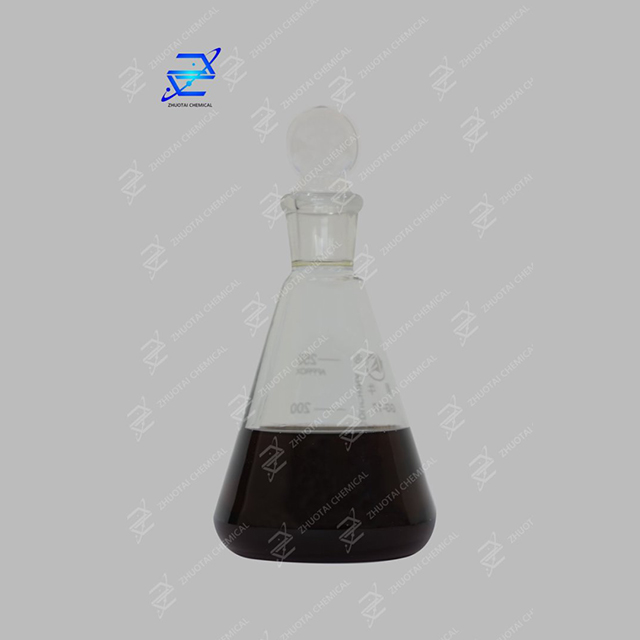
The fundamental challenge in formulating this fluid lies in a strict, almost impossible engineering paradox. The liquid is forced to perform two completely contradictory jobs simultaneously within the exact same mechanical casing.
On one side of the equation, the transmission houses traditional planetary gears, heavy steel shafts, and high-speed bearings. These metallic components require maximum lubrication. To prevent metal-to-metal scoring, micro-pitting, and outright mechanical failure, the fluid must be incredibly slippery. Maintaining a low friction coefficient across the gear train ensures maximum power transfer from the engine block directly to the wheels. This improves overall fuel efficiency and extends the lifespan of the hard parts.
In contrast, the multi-plate wet clutches operate entirely on the principle of friction. These alternating packs consist of bare steel plates pressing against friction plates lined with porous organic materials, carbon fiber, or Kevlar composites. To successfully transfer engine torque, these plates must squeeze together and aggressively grip. If the surrounding fluid is too slippery, the clutches will simply hydroplane against one another. This disastrous scenario results in immediate transmission slip, a complete loss of forward acceleration, and catastrophic internal heat generation.
Whether derived from conventional mineral stocks or advanced synthetic polyalphaolefins, raw base oils cannot resolve this paradox. A base oil slippery enough to protect the gears will inevitably cause the clutches to slip. Conversely, a fluid tacky enough to support clutch engagement will tear the gear teeth apart. The only viable method to resolve this mechanical contradiction is through advanced tribology. Specifically, engineers must integrate a meticulously engineered chemical additive package.
To successfully bridge the gap between necessary gear lubrication and required clutch grip, scientists rely on a highly specific class of active chemical agents. A Friction Modifier is the precise component that dictates how two interacting surfaces behave when submerged in oil.
At a microscopic level, these modifiers are typically long-chain organic molecules characterized by two distinct ends. They possess a polar head and an oil-loving tail. When introduced into the transmission ecosystem, the polar head acts remarkably like a microscopic magnet. It attaches itself firmly to the metallic surfaces of the clutch plates and gears. Meanwhile, the oil-loving tail points outward, dissolving seamlessly into the surrounding fluid.
This unique molecular alignment creates a uniform, microscopic cushioning film across all internal components. During the violent process of clutch engagement, these chemical tails slide against each other. Instead of allowing raw composite material to grind destructively against bare steel, the modifier provides a controlled, predictable level of resistance.
Understanding the value of this chemical boundary layer requires a brief look at how friction shifts during operation. Dynamic friction is the sliding resistance that occurs while the clutch plates are in active motion, coming together during the actual gear shift. Static friction, however, is the ultimate holding power that takes over once the plates are fully locked together and the vehicle is cruising in gear.
A premium additive smooths the inherently chaotic transition between dynamic and static states. If this transition is abrupt, the shift will feel violently jarring to the occupants. The modifier ensures that as the plates decelerate and lock, the friction coefficient remains perfectly stable. This results in an imperceptible transfer of power.
The inclusion of these specialized chemical compounds is entirely non-negotiable for modern dual-clutch systems. They serve several indispensable roles that keep the vehicle drivable and structurally sound.
Perhaps the most critical role of these additives is providing Anti-Shudder Durability. Without this chemical intervention, the friction curve between the engaging plates would become highly erratic. As the plates attempt to lock, they would repeatedly grab and slip in rapid, microscopic succession. This mechanical hesitation translates into a violent vibration that reverberates aggressively through the steering wheel and cabin floor. Properly formulated additives ensure a positive friction slope. This means grip increases smoothly as the plates compress, effectively eliminating shudder.
Dual-clutch architectures are globally renowned for lightning-fast, uninterrupted power delivery. This specific driving dynamic is only achievable if the clutches can engage progressively. Chemical modifiers allow the mechatronic unit to intentionally slip the clutches for just a fraction of a second without inflicting surface damage. This highly controlled slip is exactly what makes the transition from first to second gear feel utterly buttery, even under heavy throttle.
Friction inevitably generates heat. The localized flash temperatures on the surface of slipping clutch plates can spike dramatically within milliseconds. Standard lubricants rapidly thin out and lose their protective film strength under such extreme thermal stress. Advanced modifiers, however, remain chemically stable at elevated temperatures. They actively help maintain a consistent friction coefficient during aggressive track driving, heavy towing, or grueling stop-and-go city traffic. This prevents the fluid from boiling and keeps the transmission out of a restrictive limp mode.
The friction plates inside these gearboxes are lined with highly sensitive composite materials. These porous linings are incredibly susceptible to glazing, hardening, and physical degradation if subjected to uncontrolled, raw friction. By providing a resilient chemical cushion, the fluid prevents the physical tearing and burning of these delicate linings. This drastically extends the interval before a costly mechanical rebuild becomes necessary.
A pervasive and highly dangerous misconception among vehicle owners is that all red transmission fluids are universally interchangeable. In reality, substituting the wrong fluid type is a guaranteed recipe for catastrophic mechanical failure.
| Fluid Type | Primary Mechanical Target | Friction Profile Target | Result if used in a Wet DCT |
|---|---|---|---|
| Wet DCT Fluid | Metal gears and organic clutch plates | Balanced: Slippery for gears, grippy for clutches | Optimal performance and seamless shifts |
| Traditional ATF | Torque converters and planetary gears | Low static friction for soft, prolonged shifts | Severe clutch slip, burnt friction plates |
| CVTF | Heavy steel belts and smooth metal pulleys | Extremely high metal-to-metal friction | Violent shudder, aggressive mechanical wear |
Standard ATF is meticulously engineered for traditional automatic transmissions. These utilize fluid-coupled torque converters and complex planetary gear sets. While these traditional fluids absolutely contain friction-modifying chemicals, their profile is engineered for a completely different shift dynamic. Traditional automatics prioritize slower, softer, and more prolonged clutch engagements. If poured into a dual-clutch system, this fluid would cause the aggressive clutch packs to slip excessively. The immediate result is burnt friction plates and sluggish, unresponsive acceleration.
A Continuously Variable Transmission operates on an entirely distinct mechanical principle. It utilizes a heavy-duty steel belt or chain running across smooth, adjustable steel pulleys. Consequently, CVTF relies on extremely high metal-to-metal friction to ensure the steel belt does not slip under heavy engine loads. The chemical requirements are the exact polar opposite of a dual-clutch system. Introducing this high-friction fluid into a wet clutch environment would cause violently harsh shifts, immediate shudder, and the rapid destruction of the organic clutch linings.
Cross-contaminating these specialized liquids or utilizing a generic, unapproved specification is disastrous. The incorrect chemical profile will instantly ruin the drivability of the vehicle. A balanced slip-to-grip ratio is unique to dual-clutch architectures. Deviating from this specific chemical footprint will inevitably require a full transmission replacement.
Friction-modifying chemicals are inherently sacrificial. They intentionally break down over time due to intense mechanical shearing forces and extreme thermal cycles. When this vital chemical barrier depletes, the transmission will begin to exhibit clear, undeniable physical symptoms.
This is typically the earliest warning sign of fluid degradation. As the microscopic cushioning film breaks down, the clutch plates begin to grab aggressively rather than sliding smoothly into place. Drivers will notice a pronounced jolt or clunk during gear changes, particularly when downshifting at lower city speeds.
If the fluid loses its ability to maintain an optimal static friction coefficient, the clutches can no longer hold the full brunt of the engine torque. You may press the gas pedal and watch the engine RPMs spike rapidly, yet the vehicle fails to accelerate proportionately. This slipping not only ruins performance but also accelerates internal wear exponentially.
Slipping clutches generate immense amounts of excess friction and heat. Degraded DCT Fluid can quickly exceed its thermal capacity, triggering dashboard warning lights. In severe cases, the vehicle computer will force the transmission into a restricted limp mode to prevent the internal gears from welding together.
There is no software update that can fix degraded chemistry. Regular, diligent maintenance is absolutely required. Timely fluid flushes are the only way to effectively evacuate the sheared, depleted oil. This replenishes the intricate valve body with a fresh batch of protective chemical modifiers.
Recent market analyses and automotive engineering trends reveal a significant shift in how tribologists approach transmission lubrication. As modern vehicles push for increasingly higher torque outputs and stricter global fuel efficiency standards, the demands placed on the fluid ecosystem have skyrocketed. Current industry data indicates that the next generation of dual-clutch architectures will require even more sophisticated friction modification technologies.
The focus is no longer solely on preventing low-speed shudder. It has evolved into maintaining ultra-thin, highly resilient boundary layers under unprecedented thermal stress and extended drain intervals. Furthermore, the rise of hybrid dual-clutch powertrains introduces electrical compatibility into the formulation matrix. Consequently, chemical formulators are rapidly moving away from generic, off-the-shelf solutions. Instead, they are investing heavily in custom-tailored, highly stable additive packages that can sustain precise dynamic friction profiles over tens of thousands of miles. The consensus across automotive engineering circles is clear. The future of transmission longevity is inextricably linked to advanced, highly specialized tribological chemistry.
For lubricant manufacturers, chemical formulators, and automotive engineers, creating a high-performance fluid requires absolute precision. The secret to a successful, long-lasting formulation lies entirely in selecting the correct chemical components. A well-balanced Wet Dual Clutch Transmission Oil demands significantly more than just a high-quality synthetic base oil. It requires a comprehensive, rigorously tested additive ecosystem.
When selecting an additive package, engineers need hard data and proven industrial blueprints. For example, utilizing a premium formulation like the ZT77210 compound agent provides a distinct competitive advantage. Formulators should target a precise treat rate, often around 10.8 percent by weight. At this exact concentration, a high-tier package delivers optimal anti-wear protection for the gear teeth while maintaining the strict static friction coefficient required for the clutch packs.
An advanced additive package must be highly soluble and chemically compatible with modern synthetic base oils, such as Group III hydrocracked stocks or Group IV Polyalphaolefins. Formulators must rigorously test to ensure that the chosen additives do not separate, precipitate, or lose their chemical efficacy when blended. Poor compatibility will inevitably lead to additive dropout, instantly ruining the protective properties of the fluid and leaving the transmission vulnerable to immediate damage.
Beyond friction control, a premium formulation must integrate high-quality Viscosity Index improvers. These gearboxes operate across a massive temperature spectrum. In freezing winter conditions, the fluid must remain exceptionally thin to flow quickly through the intricate hydraulic solenoids. Conversely, during aggressive summer driving, it must not thin out excessively. Because the meshing gear teeth subject the fluid to intense mechanical shearing, formulators must select highly shear-stable polymers. Inferior improvers will be physically shredded by the gears, causing a permanent loss of viscosity.
As the organic clutch plates naturally wear down over thousands of miles, they release microscopic friction material particles into the fluid. Simultaneously, the heavy metal gears shed minute steel shavings. A superior additive package utilizes advanced detergents and dispersants to keep these contaminants safely suspended in the fluid. This prevents them from agglomerating and clogging the sensitive mechatronic unit.
Different car manufacturers engineer their dual-clutch transmissions with unique mechanical tolerances, hydraulic pressures, and proprietary clutch friction materials. Consequently, there is no universal solution in fluid formulation. Formulators must ensure their additive packages meet or exceed specific Original Equipment Manufacturer standards to guarantee flawless operation.
Before a new formulation can be brought to the consumer market, the additive package must undergo grueling bench testing and field trials. Engineers utilize specialized testing equipment to map the precise transition between dynamic and static friction over thousands of cycles. Additionally, rigorous gear wear tests are frequently employed to verify that the anti-wear agents are effectively shielding the metal gear teeth from scuffing under extreme torque loads.
The modern wet dual-clutch transmission remains a brilliant marvel of mechanical engineering. Yet, it is completely reliant on an equal marvel of chemical engineering to function. The fluid coursing through its veins successfully balances the contradictory needs of maximizing heavy gear lubrication while simultaneously providing the exact amount of grip required for flawless clutch engagement.
The specialized chemical modifiers suspended within this fluid are the unsung heroes of the automotive world. By meticulously managing the microscopic interactions between clutch plates, they prevent shudder, mitigate intense heat, and ensure the rapid, smooth shifts that drivers expect. Understanding the vital role of the correct additive package is the ultimate key to unlocking transmission performance and lasting reliability.
If you are an automotive engineer, lubricant blender, or maintenance professional looking to formulate or source top-tier transmission fluids, do not leave your chemistry to chance. Visit LNZT Chemical to explore our specialized additive packages. Find the exact chemical solution tailored to your performance requirements and ensure your next batch of fluid delivers unmatched mechanical protection.
No, you should never substitute standard automatic fluid for a dedicated dual-clutch formulation. While both liquids contain friction-modifying chemicals, their profiles are engineered for entirely different mechanical environments. Traditional automatic fluid is formulated specifically for torque converters, which require a much slower, smoother engagement curve. Using it in a dual-clutch gearbox will cause the fluid to be too slippery during engagement, leading to harsh shifting, severe clutch shudder, excessive heat generation, and potential catastrophic transmission damage.
The lifespan of these active chemicals depends heavily on your driving conditions, environmental temperatures, and specific manufacturer recommendations. Typically, the chemical additives remain effective for 30,000 to 40,000 miles. However, high-heat environments, aggressive track driving, towing heavy loads, and constant stop-and-go city traffic will accelerate chemical degradation. As the fluid experiences extreme mechanical shearing, the long-chain molecules physically break apart, requiring a complete fluid replacement.
The core difference lies in their opposing friction requirements. Continuously variable fluid is designed to maximize metal-to-metal friction, allowing a heavy-duty steel belt to grip smooth metal pulleys without slipping under massive torque loads. In stark contrast, dual-clutch fluid is designed to lubricate metal gears while providing a controlled, limited amount of friction for organic clutch plates. Because their chemical goals are entirely opposite, they are completely incompatible and will destroy the opposing transmission type.
When the chemical additives in your fluid deplete, the transition between dynamic and static friction becomes highly unstable. The most immediate and noticeable symptom is clutch shudder, which manifests as violent, rattling vibrations felt throughout the vehicle cabin during acceleration. You will also experience delayed shifting and unpredictable clutch slipping under heavy load, where the engine RPMs spike without a proportional increase in vehicle speed.
Absolutely not. Additive packages are highly customized and proprietary to specific applications. A package designed for these advanced transmissions contains a very specific, carefully balanced ratio of modifiers, anti-wear agents, and dispersants tailored strictly to a specific architecture. Different automakers require vastly different chemical profiles to match their proprietary clutch materials and hydraulic pressures.
Automotive engineers and fluid formulators strongly advise against adding aftermarket bottled fixes to a factory-filled transmission. The original fluid is blended with a highly specific, chemically balanced additive ecosystem. Pouring in an unapproved aftermarket chemical can disrupt this delicate equilibrium, causing additive clash where the new chemicals react negatively with the existing dispersants. This can permanently alter the friction coefficient curve of the fluid, leading to worse shifting performance and accelerated clutch degradation.
For optimal performance, most automotive engineers recommend replacing the fluid every 30,000 to 40,000 miles. If your vehicle is frequently subjected to severe driving conditions such as heavy towing, aggressive track use, or daily gridlock traffic, you should consider shortening this interval to 20,000 miles. Proactive maintenance ensures the chemical boundary layer remains robust enough to protect the internal clutches.
Using the incorrect friction modifier throws the delicate slip-to-grip ratio entirely out of balance. If the modifier makes the fluid too slippery, the clutches will fail to engage properly, resulting in severe slipping and burnt friction plates. If the modifier creates too much friction, the clutch engagement will be violently harsh, causing intense shudder and rapid degradation of the organic clutch material. In both scenarios, transmission failure is imminent.


