

Modern hydraulic systems operate under increasingly extreme pressures, tighter tolerances, and higher temperatures. Relying solely on base fluids often leads to premature component wear and catastrophic system failure. Unscheduled downtime from vane or piston pump degradation heavily outweighs the preventative cost of advanced fluid conditioning. When pumps fail, operations halt entirely. We must look beyond the base oil to ensure equipment survival in demanding industrial environments.
Our objective is to objectively evaluate when, why, and how integrating a dedicated anti-wear (AW) Hydraulic Oil Additive Package mitigates metal-on-metal friction. You will learn how these chemical upgrades extend equipment lifespan. We will also explore how they protect capital investments without introducing chemical compatibility risks. Proper fluid engineering transforms a standard hydraulic system into a highly reliable asset.
Boundary Lubrication: AW additives create a sacrificial chemical film that protects metal surfaces during high-load, mixed-lubrication states where the base oil film breaks down.
Chemical Formulations: Evaluation requires choosing between Zinc-based (ZDDP) and Ashless (Zinc-free) packages based on operating environment and environmental compliance.
Risk vs. Reward: Haphazardly mixing aftermarket additives can cause filter plugging or "additive clash"; precise formulation matching is required.
Measurable ROI: Success is validated through Used Oil Analysis (UOA), tracking reduced wear metals (iron, copper) and extended fluid lifecycle.
Base oils handle normal conditions well. They provide excellent hydrodynamic lubrication during steady-state operations. However, industrial realities rarely remain steady. Shock loading shatters this fluid protection. Cold starts delay oil circulation. Severe operating pressures squeeze the oil out from between moving parts. When the fluid film breaks, metal grinds against metal.
Different hydraulic components face unique mechanical threats. Piston pumps frequently suffer from abrasive wear. Hard particles enter the clearances between pistons and cylinder blocks. They plow through the softer metal surfaces. This creates deep gouges. Vane pumps typically experience adhesive wear. The high-speed rotation forces the vanes against the cam ring. Under extreme pressure, the localized heat causes microscopic welding. As the parts continue moving, these micro-welds tear apart. This leaves the surfaces pitted and rough.
Understanding the impact of advanced chemistry requires a direct comparison. We can observe distinct operational differences when adding a robust Hydraulic Oil Additive Package to the fluid reservoir.
Condition | Without Anti-Wear Additive Package | With Anti-Wear Additive Package |
|---|---|---|
Component Wear | Accelerated scoring and pitting on pump vanes and pistons. | Formation of a reactive tribofilm that absorbs friction. |
System Efficiency | Increased internal leakage due to widened mechanical clearances. | Stabilization of fluid viscosity and maintained tight tolerances. |
Operating Temperature | Elevated temperatures caused by high internal metal friction. | Lower temperatures due to reduced friction and heat generation. |
Fluid Lifespan | Frequent fluid changeouts caused by rapid oxidative degradation. | Suppression of oxidation, doubling or tripling the oil drain interval. |
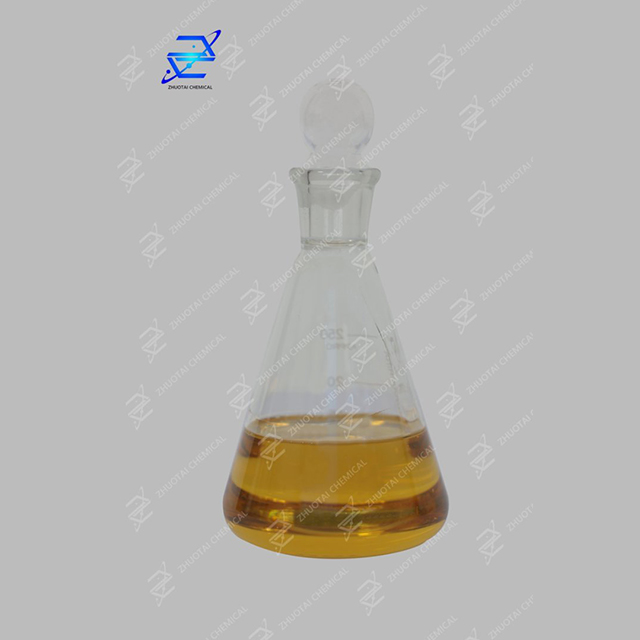
You cannot see anti-wear chemistry working with the naked eye. The magic happens at the microscopic level. When metal asperities (microscopic peaks) collide, they generate flash temperatures. These localized heat spikes activate the anti-wear compounds.
The activated chemicals decompose and bond tightly to the metal. They form a protective phosphate or sulfide layer. This layer acts as a solid lubricant. We call it a sacrificial film. Instead of the steel tearing away, this chemical layer rubs off. The fluid constantly replenishes this tribofilm. It acts as an invisible shield for your pumps and valves.
Lubricant engineers divide anti-wear technologies into two main camps. You must choose the right formulation for your specific application.
Zinc Dialkyldithiophosphate (ZDDP): This is the industry standard for heavy-duty applications. It excels in high-pressure environments. ZDDP forms a highly durable polyphosphate glass film on metal surfaces. However, it presents environmental challenges. It remains persistent in nature and can be toxic to aquatic life.
Ashless (Zinc-Free) Additives: These use sulfur-phosphorus or amine-based alternatives. Environmental regulations often require them in forestry, marine, or mining applications. They also protect specialized metallurgy. For example, zinc aggressively attacks silver-lined bearings found in some older piston pumps. Ashless formulations prevent this chemical corrosion. They also offer superior filterability in fine-micron systems.
A reliable Hydraulic Oil Additive Package does more than prevent wear. It functions as a complete chemical ecosystem. The anti-wear components must harmonize with other additives. Rust and oxidation inhibitors (R&O) protect against rust and sludge. Demulsifiers help the oil separate from water. Anti-foam agents ensure trapped air releases quickly. If these chemicals clash, the fluid degrades rapidly. Synergy ensures long-term operational stability.
Selecting the right fluid chemistry requires technical diligence. Buyers and reliability engineers cannot rely on marketing claims alone. You must match the chemical profile to your physical hardware.
Verify OEM Specification Alignment: Equipment manufacturers rigorously test fluid compatibility. Ensure the package meets major approvals. Look for standards like Parker Denison HF-0, Eaton Vickers, or Bosch Rexroth. These approvals guarantee baseline performance under extreme stress.
Assess Base Fluid Compatibility: Not all additives dissolve in all base oils. Check solubility across different base stocks. Group I and II mineral oils accept additives easily. Highly refined Group III or synthetic Group IV/V oils often struggle with additive solubility. Incompatible mixtures will separate over time.
Evaluate Thermal and Hydrolytic Stability: Hydraulic systems get hot and occasionally ingest water. The additive must survive sustained high temperatures. It must also resist water contamination. Poor hydrolytic stability causes the additives to break down into harsh acids. These acids attack yellow metals like brass and bronze.
Confirm Filtration Tolerance: Modern servo-valves require ultra-clean fluid. Operators frequently use 3-micron or 5-micron filters. The additive package must not precipitate out of the solution. Large chemical complexes can blind fine-micron filters. This triggers false pressure alarms and starves the pumps of oil.
Deploying a new fluid strategy carries inherent risks. Maintenance teams often make critical errors during the transition phase. Understanding these pitfalls ensures a smooth upgrade process.
Never blindly mix aftermarket additives with fully formulated oils. We call this "additive clash." Lubricant blenders carefully balance their formulas. Adding a random booster disrupts this equilibrium. The conflicting chemicals can react negatively. This often results in heavy sludge formation. It can also cause severe foaming or destroy the oil's ability to shed water. Always consult a tribologist before mixing chemistries.
Many operators believe over-treating their oil increases protection. This is a dangerous misconception. Excess anti-wear additives aggressively compete for metal surface area. In some cases, they become highly corrosive. High concentrations of sulfur and phosphorus will chemically attack yellow metals. Your copper and bronze pump components will degrade faster than they would with base oil alone. Precision dosing is mandatory.
Transitioning to a new Hydraulic Oil Additive Package requires a structured approach. First, perform compatibility bench testing in a laboratory. Next, execute a comprehensive system flush. Do not leave heavily degraded oil in the reservoir. Finally, pilot the new fluid on a single non-critical machine. Monitor its performance for several months before authorizing a fleet-wide adoption.
You cannot manage what you do not measure. Upgrading your fluid chemistry is an investment. You must validate the success of this investment through hard data. Relying on visual inspections or gut feelings leads to false confidence.
Before introducing any new chemistry, you must know your current system health. Conduct comprehensive Used Oil Analysis (UOA). Take fluid samples from active, running systems. This establishes your baseline wear rates and fluid degradation timelines. Without this starting point, you cannot prove the new additive package works.
Track specific metrics to prove operational improvements. Look for a steep reduction in wear metal particle counts. Monitor your ISO Cleanliness Codes closely. A drop in iron, copper, and chromium indicates the sacrificial film is working.
Next, watch your Total Acid Number (TAN). A sustained, flat TAN line proves the anti-oxidant chemistry is functioning correctly. Finally, track the mean time between failures (MTBF) for your pumps and servo-valves. Extended MTBF directly translates to higher production uptime and reduced labor hours.
An anti-wear hydraulic formulation is not a generic, fix-all fluid patch. It acts as a targeted chemical engineering upgrade. It protects high-value industrial assets operating far beyond standard base oil capacities. Understanding boundary lubrication and chemical synergies empowers you to make better maintenance decisions.
Audit your current pump failure rates to identify systems operating under extreme stress.
Consult with a qualified tribologist or lubricant manufacturer to select the proper chemistry for your environment.
Evaluate whether your application requires traditional Zinc (ZDDP) or specialized Ashless formulations.
Initiate a controlled pilot program utilizing strict baseline fluid analysis to verify performance gains.
A: No. AW additives prevent future wear by creating a protective boundary layer. They cannot restore metal that has already been worn away or repair existing scoring. They are preventative, not restorative.
A: Not inherently. Modern premium ashless formulations provide equal or superior wear protection in many applications. Though they utilize different chemical pathways and are typically more expensive, they offer excellent protection without environmental toxicity.
A: Compatibility must be verified through laboratory testing (such as ASTM D7155). Mixing incompatible additive chemistries can lead to additive dropout, filter plugging, and total fluid failure. Never mix fluids blindly.
A: It shouldn't, provided the formulation is fully soluble and stable. However, low-quality or incompatible additives can agglomerate and clog fine-micron filters. This makes compatibility verification critical prior to full deployment.