
- All
- Product Name
- Product Keyword
- Product Model
- Product Summary
- Product Description
- Multi Field Search
Views: 0 Author: Site Editor Publish Time: 2026-06-29 Origin: Site


Heavy-duty gearbox failures are rarely sudden. They usually act as lagging indicators of marginal lubrication. Compounding wear builds up over thousands of operational hours. Off-the-shelf lubricants often fail in the field. They cannot meet the specific load, temperature, and contaminant realities of industrial or heavy-duty fleet operations. You cannot rely on generic fluid formulations for extreme environments.
Selecting the right Gear Oil Additive Package requires looking past basic marketing claims. You must rigorously evaluate chemical compatibility. You also need to determine exact extreme pressure requirements. OEM compliance remains a critical deciding factor. A generic approach simply invites catastrophic mechanical failure.
We aim to provide a skeptical, engineering-focused framework. You will learn how to evaluate and shortlist the correct additive chemistry. We will guide you through the complexities of procurement for high-load applications. This ensures maximum equipment reliability.
Avoid the "numbers game": High bench-test scores (like Timken OK loads) do not always translate to real-world gearbox protection.
API GL-4 and GL-5 packages are not interchangeable; higher numbers do not mean "better," especially concerning yellow metal compatibility.
An effective extreme pressure gear oil additive must be balanced with anti-foaming agents and demulsifiers to prevent secondary failures.
Procurement should be based on base-oil compatibility (Mineral vs. PAO/PAG) and verifiable OEM approvals, not just unit cost.
Standard lubricants perform adequately under moderate conditions. Extreme environments quickly expose their chemical limitations. Industrial gearboxes operate under immense stress. They demand precise formulation chemistry to survive.
Inadequate lubrication leads directly to micropitting. This surface-level fatigue creates microscopic cracks along the gear teeth. These cracks eventually spall into larger destructive pits. Scuffing also occurs when oil films rupture completely. Metal-to-metal contact generates extreme localized heat. This thermal breakdown rapidly degrades the base oil. Fluid viscosity plummets as a result. Unplanned downtime quickly follows. Equipment failures disrupt production schedules. Maintenance costs escalate rapidly due to premature component replacement.
Specific operational stressors dictate your additive requirements. Recognizing these forces helps you select better chemistry.
Shock Loading: Mining equipment and construction machines experience sudden force spikes. These impacts easily shatter inadequate oil films.
High-Torque/Low-Speed Operations: Slow-moving industrial drives struggle to build hydrodynamic oil films. Boundary lubrication becomes the only defense against wear.
Thermal Degradation: Enclosed differentials generate intense heat. Poorly formulated oils oxidize rapidly under these conditions.
Effective procurement requires a mindset shift. You must stop prioritizing the cheapest cost per gallon. Instead, evaluate the lowest cost per operating hour. Superior chemistry extends drain intervals. It drastically reduces component wear rates. High-quality formulations keep your machinery running longer. They prevent unexpected breakdowns. This proactive approach saves substantial capital over the equipment lifecycle.
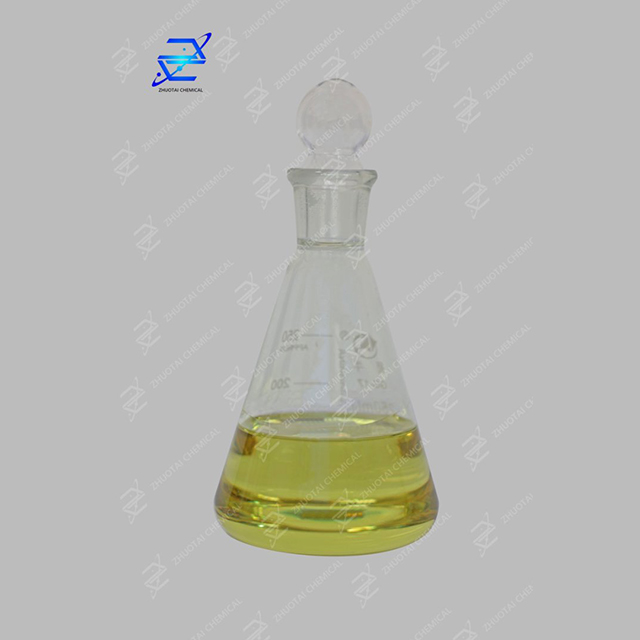
A finished gear oil contains a base stock and an additive blend. The base oil provides the primary fluid film. The additive package dictates actual performance under stress. You must understand these individual chemical components.
Standard industrial packages differ heavily from automotive gear formulations. Automotive blends prioritize fuel economy and synchronizer engagement. Industrial heavy-duty blends focus on water separation and extreme load carrying. Specialized heavy-duty blends utilize unique polymer structures. They maintain viscosity across massive temperature swings. You cannot swap these packages without risking hardware damage.
Heavily loaded gears experience severe boundary lubrication conditions. The fluid film completely disappears under these loads. A high-quality extreme pressure gear oil additive acts as the final defense. Formulators typically use sulfur-phosphorus compounds for this task.
These compounds remain inactive at normal temperatures. They react aggressively when friction generates localized heat. The sulfur chemically bonds to the metal surface. It creates an iron-sulfide sacrificial layer. This layer prevents the gear teeth from micro-welding together. The film wears away instead of the actual gear metal.
Anti-wear (AW) additives operate differently. Formulators often use Zinc Dialkyldithiophosphate (ZDDP). These compounds protect against lighter, continuous contact. They activate at lower temperatures compared to EP agents. AW additives work best in high-speed, moderate-load scenarios.
Limited-slip differentials require specific frictional properties. Standard gear oils cause excessive clutch chatter in these units. Friction modifiers alter the fluid's friction coefficient. They allow smooth clutch plate engagement. These specialized chemicals prevent severe mechanical vibrations. You must specify LS additives if your hardware utilizes limited-slip mechanisms.
EP and AW agents cannot protect the system alone. Formulators must include several structural additives to maintain fluid integrity.
Rust and Corrosion Inhibitors: These chemicals neutralize acidic byproducts. They coat metal surfaces to block moisture attack.
Demulsifiers: Industrial environments expose gearboxes to constant water ingress. Demulsifiers force water to separate from the oil. Operators can then drain the water easily.
Anti-Foaming Agents: Rapid gear rotation whips air into the oil. Foam possesses zero load-carrying capacity. Defoamants break surface tension to collapse air bubbles quickly.
Evaluating an additive package requires deep technical scrutiny. Marketing brochures often highlight impressive test scores. These numbers rarely tell the complete story. You must cross-reference claims against field realities.
The American Petroleum Institute (API) categorizes gear oils by performance level. API GL-4 and GL-5 represent the most common classifications. Many operators mistakenly believe GL-5 acts as an upgrade over GL-4. This assumption causes severe equipment damage.
API GL-5 contains significantly more sulfur-phosphorus chemistry than GL-4. Formulators design GL-5 for severe hypoid gear offsets. However, this high chemical concentration aggressively attacks brass synchronizers. Misapplying GL-5 in a GL-4 manual transmission causes catastrophic synchronization failure. The active sulfur rapidly corrodes the yellow metal components.
Specification Level | Primary Application | Additive Concentration | Yellow Metal Compatibility |
|---|---|---|---|
API GL-4 | Manual transmissions, spiral bevel gears | Moderate (approx. 50% of GL-5) | Generally Safe |
API GL-5 | High-offset hypoid gears, heavy axles | High | Corrosive (unless specifically buffered) |
Suppliers frequently promote inflated bench-test scores. The 4-Ball Weld test and Timken OK Load test remain popular marketing tools. High scores indicate strong initial load-carrying capacity. However, these tests operate under brief, controlled conditions. They do not measure long-term thermal stability.
An oil might pass a heavy Timken load but rapidly oxidize in the field. Sludge formation will quickly destroy the gearbox. Never purchase chemistry based solely on isolated bench tests. You must demand comprehensive thermal stability data.
Additive packages must remain completely soluble in their carrier fluid. Matching chemistry to the base stock prevents disastrous additive dropout.
Group I/II (Mineral): These offer excellent additive solubility. However, they lack extreme temperature resilience.
Group IV (PAO): Polyalphaolefins provide superb high-temperature stability. They often struggle to dissolve complex additive packages. Formulators usually mix in esters to keep the chemistry suspended.
Group V (PAG): Polyalkylene glycols deliver exceptional lubricity. They remain highly incompatible with mineral oils and PAOs. PAG additive packages require highly specialized formulation.
Focus on tests that simulate long-term endurance. Oxidation resistance dictates fluid lifespan. Evaluate ASTM D2893 test results closely. This standard heats the oil to aggressive temperatures. Technicians measure viscosity increases over several weeks. Seal compatibility tests ensure the chemistry will not shrink or harden elastomers. Foam sequencing tests verify the defoamant stability under agitation.
Integrating new chemistry introduces mechanical risks. You must evaluate the hardware before introducing high-performance additives. Overlooking system specificities guarantees operational disruptions.
Industrial gearboxes frequently utilize bronze, brass, or copper components. Worm gears commonly feature bronze wheels. Standard extreme pressure agents rely on active sulfur. Heat causes this sulfur to attack copper alloys aggressively. The metal turns black and becomes brittle. It eventually shears away completely.
Common Mistake: Pouring active-sulfur EP gear oil into a bronze worm drive.
Best Practice: Always verify yellow metal compatibility via ASTM D130 copper corrosion testing. Look for deactivated sulfur formulations if copper alloys exist in the system.
No additive package lasts forever. Environmental contamination accelerates chemical depletion significantly. Water ingress acts as a primary threat. It hydrolyzes specific additives and strips them from the solution. Particulate contamination acts like sandpaper. It constantly scrapes away the sacrificial sulfide layers. This forces the remaining additives to work harder.
You must monitor depletion via regular Used Oil Analysis (UOA). UOA tracks declining phosphorus and sulfur levels. It alerts you to rising Total Acid Numbers (TAN). You can schedule fluid changes before the chemistry fully collapses.
Switching brands or upgrading packages introduces cross-contamination risks. Mixing incompatible chemistries causes severe fluid foaming. It can also cause additives to precipitate out as sludge.
PAG-to-PAO transitions carry extreme risk. These base fluids completely repel one another. Mixing them creates a thick, gelatinous emulsion. This emulsion blocks lubrication channels instantly. You must execute rigorous flushing procedures when changing fluid families.
Environmental regulations restrict specific chemical compounds. Marine and forestry applications demand high environmental compliance. Heavy-metal additives face increasing scrutiny. Many operators now evaluate zinc-free or ashless additive packages. These environmentally sensitive formulations utilize advanced nitrogen-based chemistries. They provide comparable protection without violating strict discharge regulations.
Procuring correct chemistry requires structured methodology. You must move away from generic grade requests. Technical precision eliminates expensive trial-and-error periods.
Never request simple "85W-140 gear oil." Create a strict requirement document. Base this document directly on OEM manuals. Major manufacturers like Flender, Siemens, and Eaton publish exacting fluid specifications. These documents dictate mandatory dynamic viscosity limits. They outline required micropitting resistance tests (like FZG). Use these OEM mandates as your baseline filter.
Hold your suppliers to stringent technical standards. Refuse any product lacking complete documentation.
Demand Transparency: Require detailed Technical Data Sheets (TDS) and Safety Data Sheets (SDS). Look for actual kinematic viscosity numbers, not vague ranges.
Prioritize Field Data: Localized bench testing means very little. Ask suppliers for proven field trial data. Request case studies showing reduced wear metals in UOA reports over 10,000 hours.
Evaluation Criterion | Acceptable Standard | Red Flag Indicator |
|---|---|---|
OEM Approvals | Documented Flender, Eaton, or Siemens certifications. | Claims of "meets or exceeds" without actual certification letters. |
Data Transparency | Full ASTM test results listed on TDS. | Missing FZG load stage data or copper corrosion ratings. |
Technical Support | Offers pre-fill compatibility testing and UOA guidance. | Provides no post-sale fluid monitoring support. |
Never roll out unverified chemistry across an entire plant. Run a controlled baseline test on a single heavy-duty asset first. Follow a strict procedural format.
Isolate the Asset: Select a gearbox with a documented wear history.
Baseline Sampling: Pull a final UOA sample of the old fluid.
System Flush: Drain the system hot. Use a compatible flushing oil to remove sludge.
Precise Fill: Introduce the new formulation. Replace all breathers and filters.
High-Frequency Monitoring: Pull UOA samples every 500 hours. Compare iron and copper wear rates against the baseline data.
Do not make these complex decisions entirely alone. Engage directly with a chemical engineer or specialized formulator. Have them audit your current wear rates. They can interpret your UOA data accurately. They will propose a targeted additive solution built for your specific operational stressors.
A robust gear oil formulation acts as a precise chemical tool. It is never a universal remedy for mechanical neglect. You must match the chemistry to the specific hardware demands. Failing to align EP requirements with base oil solubility ensures rapid fluid failure.
Prioritize chemical compatibility above all else. Demand strict adherence to OEM standards. Favor real-world endurance testing over aggressive marketing metrics. Executing a controlled pilot test prevents costly facility-wide mistakes.
Contact our technical formulation team today. We can perform a comprehensive gap analysis of your current heavy-duty gear lubrication strategy. You can also download our detailed chemical compatibility matrix to guide your next procurement cycle.
A: Generally discouraged. "Top-treating" can disrupt the chemical balance of the existing package, leading to additive clash, foaming, or precipitation.
A: GL-5 contains roughly twice the concentration of EP additives compared to GL-4, designed for high-offset hypoid gears. However, this high concentration can be highly corrosive to yellow metals found in older transmissions or specific industrial gearboxes.
A: Look for lagging indicators like increased operating temperatures or noise, but rely on leading indicators via regular Used Oil Analysis (UOA) checking for oxidation, TAN (Total Acid Number) increase, and depleted phosphorus/sulfur levels.
A: Not always. While the core EP/AW chemistry may be similar, synthetic bases (like PAO) have different solvency characteristics, often requiring specialized esters to keep the additive package suspended and functional.


